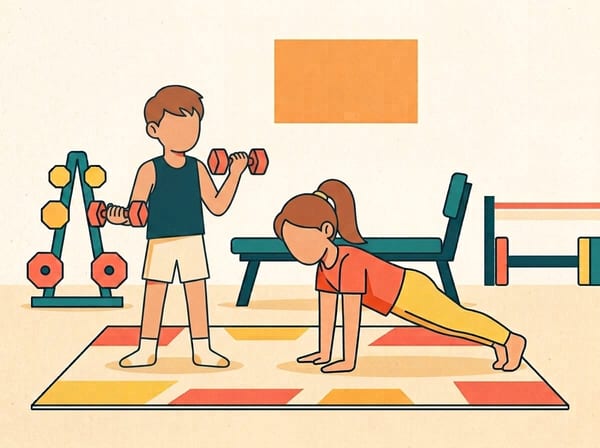
When should a child begin to train, and why the old fear was wrong
Most parents think lifting weights is dangerous for children. Twenty years of paediatric consensus disagree, and the reason has more to do with the nervous system than with muscle.
Most parents think lifting weights is dangerous for children. Twenty years of paediatric consensus disagree, and the reason has more to do with the nervous system than with muscle.

Parents are told that writing by hand is vital for their child's growing brain, and that screens are eroding it. We sort the viral headlines from the solid evidence, and find the real benefit belongs to one group above all: children still learning their letters.
Your child's fussiness for food is mostly inherited, and most of the things parents try in order to fix it make it worse. Find out why young children refuse food, why it is rarely a parent's fault, and the unglamorous method that genuinely changes how they eat.
Most of what shapes a young life turns out to be joyful and ordinary. A major new study shows what teenagers themselves treasure, and why the way they answer can tell you how they are really doing.
Chronic pain in children is more common than being left-handed. And adults are surprisingly bad at reading how much pain a child is in. This is what all parents should know.

When a child receives a mental health diagnosis, whether anxiety, ADHD, depression, or something else, parents often want to know how it will impact their schooling. A new study provides some answers.
A major new study has scanned the brains of nearly 10,000 children and tracked them for three years. Its findings reveal which children are most at risk of loneliness, and what can be done to prevent it.
Fish oil reducing aggression. Vitamins outperforming psychiatric medication. The clinical research on whether supplements can benefit children's brains is more rigorous, surprising and revealing than you may think.
You almost certainly posted a photograph of your child online this year. This article explains exactly why that unremarkable act is part of a larger problem now causing documented psychological harm to children and being exploited at industrial scale by AI systems.
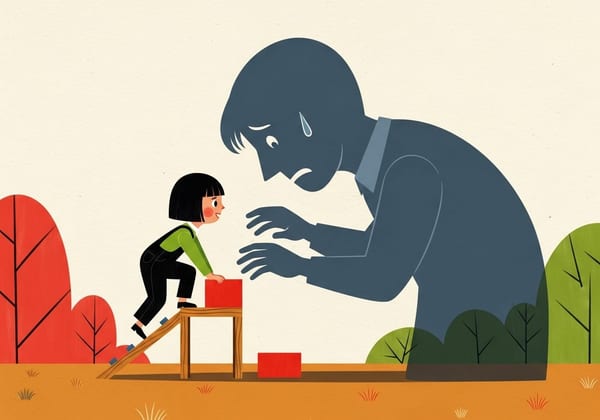
We redesigned playgrounds to protect children from accidents. But new data reveals we may have gone too far. Enforcing safe play actually damages mental health, increases anxiety and pushes bored kids toward much larger, hidden hazards
We often blame addictive apps for our children’s screen habits. But new research reveals a deeper truth: teenagers turn to smartphones to manage feelings they cannot identify. This means we can help. By strengthening their emotional skills, we can break the cycle and move beyond the tech.

Not every child who grows up with a pet reaps the benefits parents hope for. New research shows exactly why, and what you need to do differently.
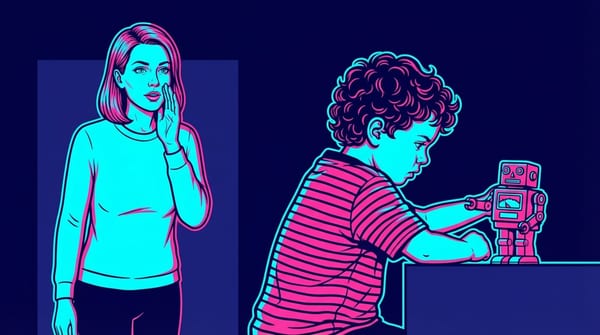
When your child ignores a simple instruction, it often feels like defiance. But neuroscience shows they are not choosing to ignore you - their developing brain literally did not process your voice. Discover the biology behind this, and what you can do
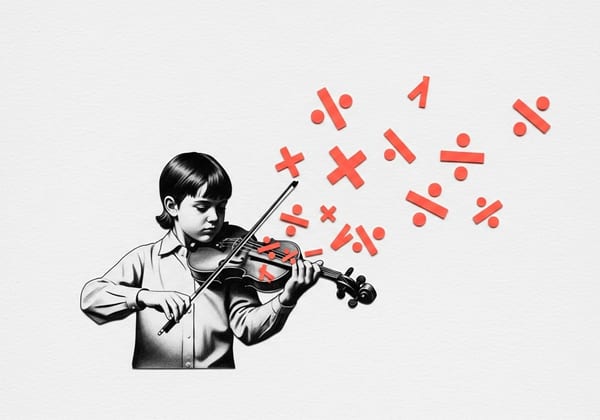
Will music lessons help turn your child into a math genius? Science says the 'Mozart Effect' is a myth. But don't quit the violin just yet! Discover how music actually rewires your child's brain and the crucial skills it does improve.
We think answering a quick email while in the company of our children is a harmless compromise. But to our teens, it looks like we are rejecting them. New science reveals how our after hours work impacts adolescent mental health.
New research reveals that bullying can actually cause post-traumatic stress in children. If your child can’t 'bounce back' from being bullied, they aren't weak. We explain the biology of the hurt, and how to help them heal.
Why is your daughter so stressed? New research shows high-achieving girls often link their self-worth to their grades. Constant notifications from school apps mean they can never truly switch off. Learn how to help her value herself beyond the screen and give her permission to be human.
It can feel like wasting money on 'fake' items. But for your child, digital assets and skins are a ticket to social belonging. We explain the science behind the screen and how to handle the requests.
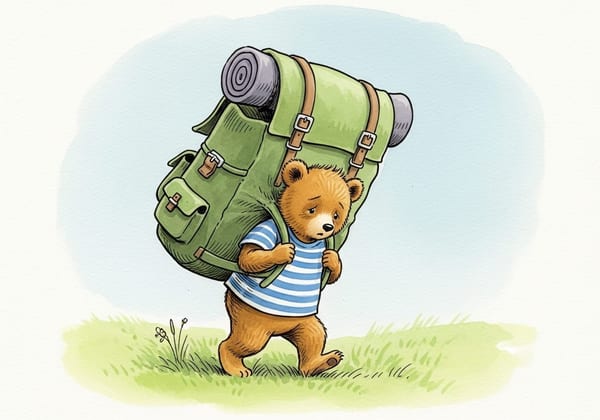
Modern parenting pressure to stay 'perfectly calm' can lead to a measurable state of burnout. We examine the latest research explaining why hiding your feelings backfires, and how 'sturdy leadership' offers a clearer path to well-being.
75% of parents want school phone bans, yet teens still scroll for over an hour during class. Why? The answer is uncomfortable: they are mirroring us. We explore the new data on why reclaiming their focus starts with us putting our own phones down.
"I'm bored!" Don't panic. New research reveals boredom isn't a problem to fix - it's essential for your child's brain. Discover why resisting the urge to entertain is the key to building their creativity and resilience.
Strict digital rules protect young children, but research shows that for older teenagers, they often backfire. Shifting from a role where you control access to one where you offer advice builds the internal skills children need to navigate the internet safely when you are not there.
Does your child try to "train" their apps, content and social media feeds. Understand why they do it and help your child turn digital myths into media literacy.