When should a child begin to train, and why the old fear was wrong
Most parents think lifting weights is dangerous for children. Twenty years of paediatric consensus disagree, and the reason has more to do with the nervous system than with muscle.
Most parents think lifting weights is dangerous for children. Twenty years of paediatric consensus disagree, and the reason has more to do with the nervous system than with muscle.

Parents are told that writing by hand is vital for their child's growing brain, and that screens are eroding it. We sort the viral headlines from the solid evidence, and find the real benefit belongs to one group above all: children still learning their letters.
Your child's fussiness for food is mostly inherited, and most of the things parents try in order to fix it make it worse. Find out why young children refuse food, why it is rarely a parent's fault, and the unglamorous method that genuinely changes how they eat.
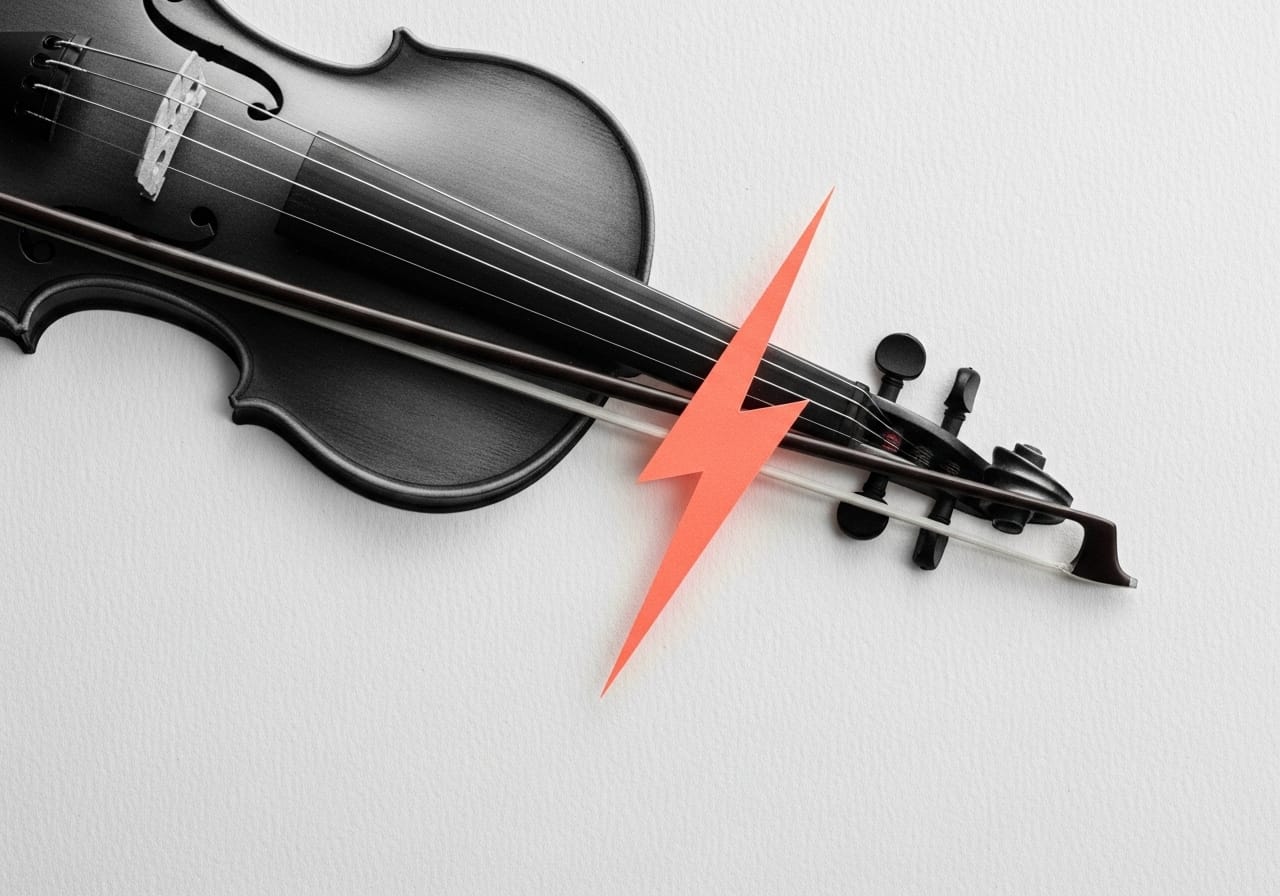
Will music lessons help turn your child into a math genius? Science says the 'Mozart Effect' is a myth. But don't quit the violin just yet! Discover how music actually rewires your child's brain and the crucial skills it does improve.

It is 5:00 PM after a busy school day. You are likely sitting on a folding chair in a school hall or a church basement. Your child is standing on a stage, trying to play a violin. The sound they are producing is hesitant, maybe a bit screechy. You are tired, the lessons are expensive, and the practice sessions at home have become a nightly negotiation leaving everyone frustrated.
Yet you persist. You do it because you have bought into a pervasive cultural promise: The Mozart Effect. Originating from a misinterpreted study in the 1990s, this is the theory that listening to classical music - or learning to play it - can temporarily boost spatial-temporal reasoning and overall intelligence. You hope that by learning an instrument, your child is gaining intellectual skills to help them study other subjects, like math. It is a strategy to give them an educational advantage.
It is a seductive promise. But the idea that learning music improves math is outdated. Research tells a much more complex story. If you are funding music lessons to engineer a child with a higher IQ, you are chasing a ghost. The era of believing "music makes you smarter" generally is over.
However, you should absolutely continue the lessons. Not because they will create a math genius, but because they are the most effective tool for training a critical cognitive skill. What’s more, learning music will improve your child’s ability in one other crucially important academic area.
The Intelligence Trap: Why We Believed the Math Myth
For decades, educators assumed music training was a general brain booster. They called this ‘far transfer’ - the hopeful idea that learning scales naturally transfers to unrelated skills like geometry or fluid intelligence.
But we were asking the wrong question. This became apparent in 2020 with a massive multilevel meta-analysis on the cognitive benefits of music training in children. Previous smaller studies showed positive correlations between music and math. But when researchers Giovanni Sala and Fernand Gobet controlled for confounding variables - specifically parents’ income and education levels - the link between music and general intelligence vanished.
The correlation with math scores was likely just selection bias. Music lessons do not spontaneously generate higher IQs; wealthier families with higher academic baselines are simply more likely to sign up for them in the first place.
The True Benefit: What is Inhibitory Control?
If learning the violin isn't teaching our children to calculate fractions, what exactly are we paying for? Learning music has huge intrinsic and social benefits, of course. But science suggests that when your child learns music, they are developing their brain’s Executive Functioning, specifically a skill called Inhibitory Control.

To understand why this matters, we must look beyond the music room. Inhibitory Control is the ability to stop. It is the mental capacity allowing a child to suppress an immediate impulse to achieve a goal. It is the biological mechanism that lets a student filter out chatter in a busy classroom to focus on the teacher. It allows a toddler to stop themselves from throwing a toy in frustration, or a teenager to pause before speaking in anger. It is the core of self-regulation.
A landmark meta-analysis by Kevin Jamey and colleagues at the University of Montreal revealed that for this specific skill, music is superior. Compared head-to-head, music training outperformed sports, drama, and visual arts in developing inhibitory control, with a moderate-to-large effect size.
Why Music Works Better Than Sports
Why don’t sports such as soccer achieve the same result? The difference is the complexity of the neural workload. Sports largely require ‘motor inhibition’ - stopping a physical movement.
Music requires a high-pressure combination of auditory monitoring and motor suppression. To play a single line of music, a child must simultaneously: decode a visual score, monitor pitch, plan fine motor movements, and, crucially, not play during rests.
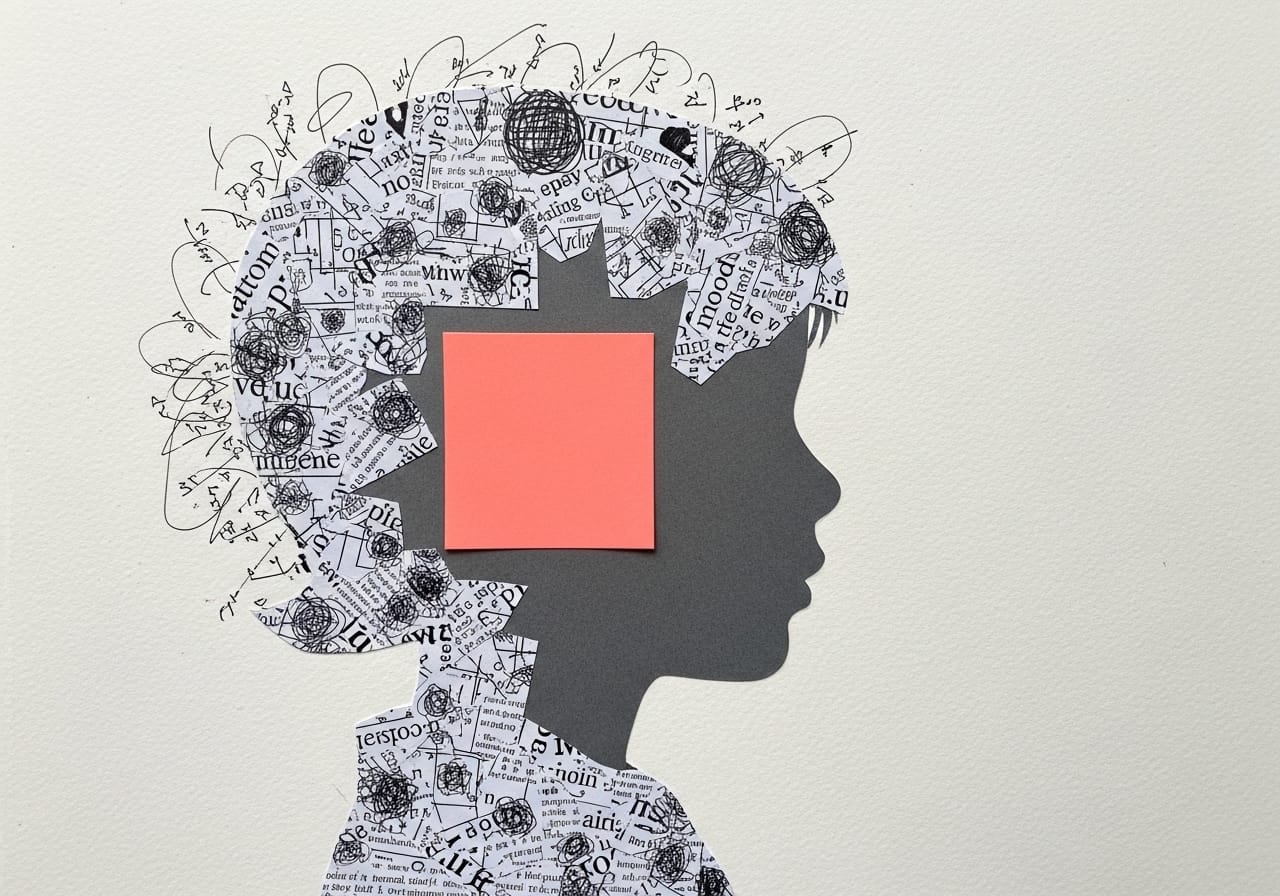
This constant demand to play and withhold taxes a part of the brain called the Inferior Frontal Cortex more intensively than kicking a ball. It is a high-intensity workout for the brain’s ability to process multiple information streams without losing control.
The Sweet Spot: How Much Practice is Enough?
A valuable insight from recent research is that casual engagement isn't enough to change the brain; there is a specific threshold for neuroplasticity. A 2025 systematic review and meta-analysis by Yanan Lu and colleagues found that significant gains in executive function only occur with consistent musical practice.
Children must practice music at least three times per week to improve inhibitory control and working memory. Patience is also required: a minimum of 12 weeks of training is necessary before measurable changes appear. Interestingly, for young children (ages 3–6), music sessions longer than 30–40 minutes did not yield better results, likely due to cognitive fatigue. Short, frequent bursts of practice are far more effective than long musical marathons.

The Reading Connection: How Hearing Sound Translates to Seeing Words
While the evidence shows music training won't spontaneously improve your child's math scores, there is one specific academic area where it does provide a direct educational advantage: reading.
It is entirely normal to wonder why practicing an instrument - an activity focused on sound - would help a child with reading, a visual task. For many parents, this connection feels unintuitive.
To understand it, we must look at how a child learns to read. Humans are not born with a dedicated reading center. Instead, a child’s brain must physically build a new circuit connecting its visual cortex, which processes letter shapes, to its auditory cortex, which processes spoken sounds.
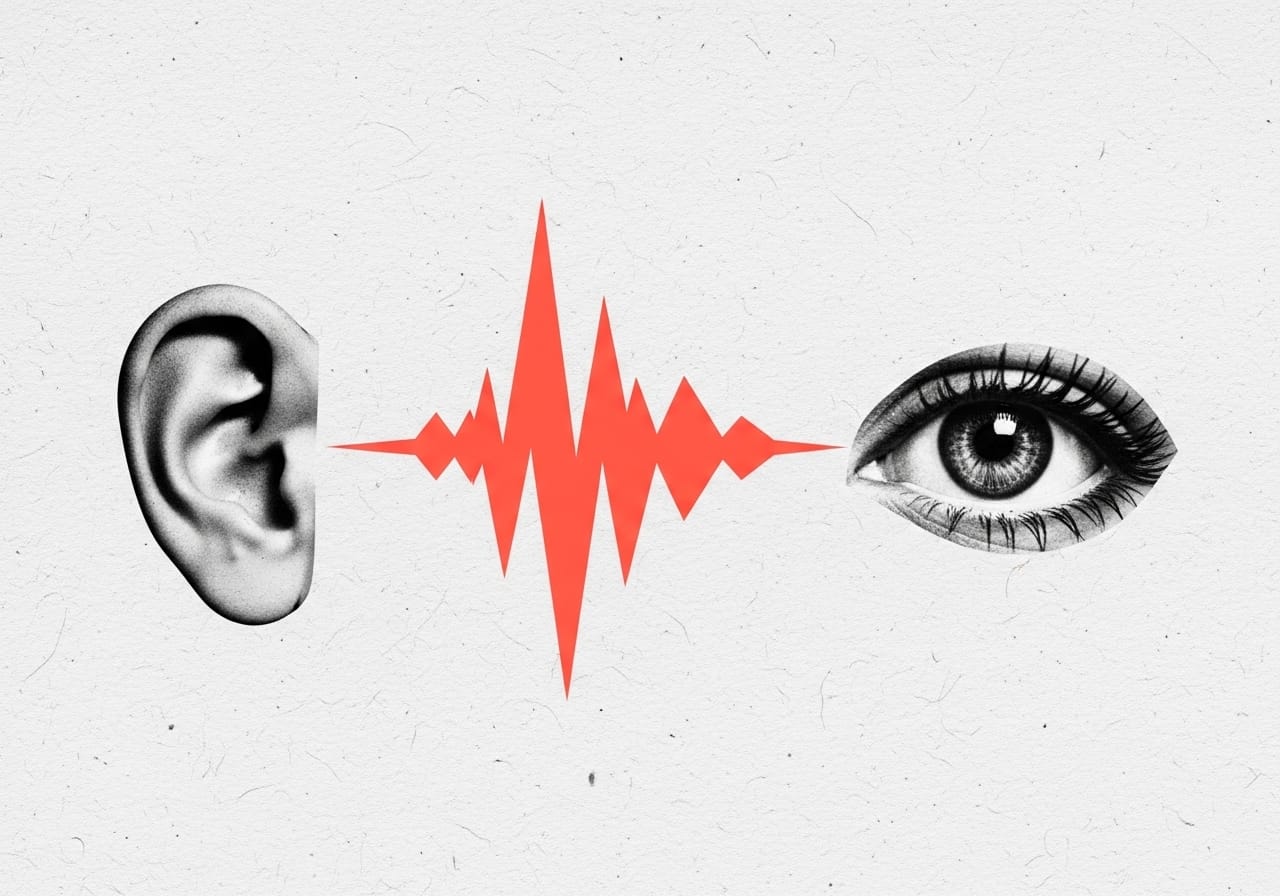
Before a child can read the word "cat", they must understand the spoken word is constructed from three distinct sounds. If a child cannot clearly hear and separate the rapid sounds within spoken language, they will struggle to map them onto printed letters.
This is where music becomes critical. A recent study recorded the brain activity of subjects listening to natural music and speech. Researchers found the brain uses the exact same physical pathways to track the rhythmic structure of music as it does to track the rhythm and syllables of spoken language.
When your child practices keeping a steady beat, they are actively training this shared auditory network. Improving their brain's ability to process the precise timing of musical sounds simultaneously improves their ability to hear the precise sounds within spoken words. Once a child can clearly distinguish those audio components, attaching them to printed letters becomes significantly easier.
The Verdict
The scientific evidence makes one thing clear: learning an instrument is not a pathway to creating a math prodigy. Instead, the data reveals two grounded, practical cognitive benefits your child may acquire from learning music.
First, research shows that practicing music is one of the most effective ways to build a child's inhibitory control. Instead of guaranteeing higher test scores in geometry, the measurable outcome is a child who develops the cognitive capacity to filter out distractions in a noisy classroom. The studies point to the development of a teenager who possesses the actual neural wiring required to pause and suppress an impulsive reaction.
Second, the evidence demonstrates a direct biological advantage for literacy. By actively training the auditory system to track musical rhythms, the brain is simultaneously reinforcing the shared neural pathways required to decode spoken sounds and map them to printed text.
The science indicates that the hours spent practicing scales translate into functional, enduring self-regulation and a stronger neurological foundation for reading.
So when that hesitant, squeaky violin note rings out in a school hall, remember this; the research suggests it may be the literal sound of your child’s developing brain learning to regulate itself and refining its capacity for language.
2020, Giovanni Sala & Fernand Gobet, Cognitive and academic benefits of music training with children: A multilevel meta-analysis, Memory & Cognition.
2024, Kevin Jamey, et al., The privileged role of music in executive function training: A systematic review, Cognition.
2025, Yanan Lu, et al., Effects of music training on executive functions in preschool children aged 3–6 years: systematic review and meta-analysis, Frontiers in Psychology.
2025, Sergio Osorio & María Florencia Assaneo, Anatomically distinct cortical tracking of music and speech by slow (1–8Hz) and fast (70–120Hz) oscillatory activity, PLOS One.

Most parents think lifting weights is dangerous for children. Twenty years of paediatric consensus disagree, and the reason has more to do with the nervous system than with muscle.

Parents are told that writing by hand is vital for their child's growing brain, and that screens are eroding it. We sort the viral headlines from the solid evidence, and find the real benefit belongs to one group above all: children still learning their letters.

Your child's fussiness for food is mostly inherited, and most of the things parents try in order to fix it make it worse. Find out why young children refuse food, why it is rarely a parent's fault, and the unglamorous method that genuinely changes how they eat.

Most of what shapes a young life turns out to be joyful and ordinary. A major new study shows what teenagers themselves treasure, and why the way they answer can tell you how they are really doing.