When should a child begin to train, and why the old fear was wrong
Most parents think lifting weights is dangerous for children. Twenty years of paediatric consensus disagree, and the reason has more to do with the nervous system than with muscle.
Most parents think lifting weights is dangerous for children. Twenty years of paediatric consensus disagree, and the reason has more to do with the nervous system than with muscle.

Parents are told that writing by hand is vital for their child's growing brain, and that screens are eroding it. We sort the viral headlines from the solid evidence, and find the real benefit belongs to one group above all: children still learning their letters.
Your child's fussiness for food is mostly inherited, and most of the things parents try in order to fix it make it worse. Find out why young children refuse food, why it is rarely a parent's fault, and the unglamorous method that genuinely changes how they eat.
For decades, hospitals have treated fathers as bystanders. This doesn't just isolate men - it actively harms the mother and baby, too. We explore the hard data behind this post-natal oversight, and the new clinical trials finally bringing dads into the fold.

It usually starts at the first prenatal appointment.
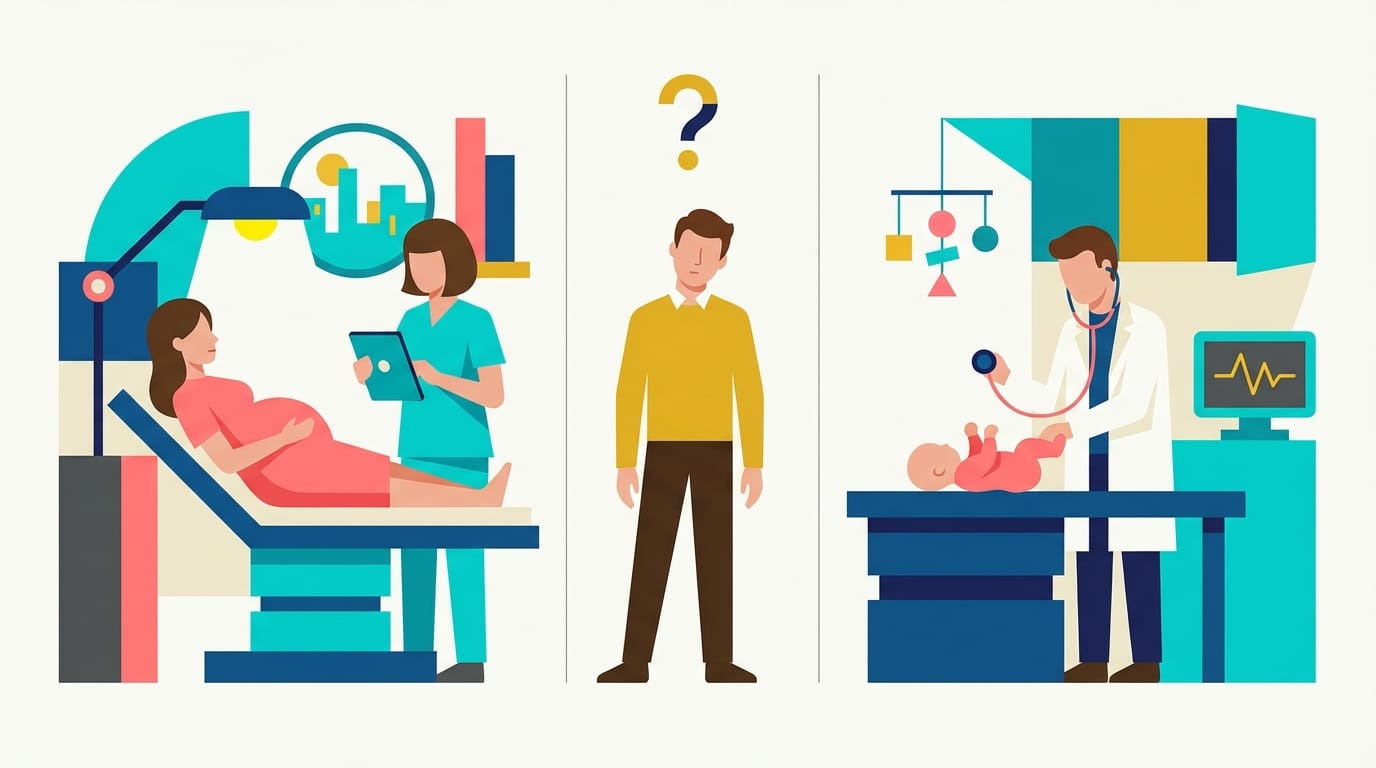
An expectant father walks into the clinic with his partner, but the physical layout of the room sends a clear message. Two chairs face each other: one for the pregnant mother, one for the doctor. The pamphlets on the desk are for women. The doctor's questions are directed only at the woman.
The father is physically present, but the medical system does not treat him as an active participant in his child's arrival.
Fathers have noticed being sidelined for decades, but they rarely discuss it.
Now, global research published between 2023 and 2026 confirms what many fathers have experienced: maternity care systems are simply not built for men. And that has consequences.
Leaving fathers out measurably impacts the health of the father, mother, and baby.
Crucially, this exclusion does not end at birth. The habit of treating fathers as an afterthought persists throughout the post-natal period, extending through visits to doctors and healthcare workers and isolating men during the most vulnerable months of early parenthood.
This exclusion is not an accident. Hospitals have built their routines entirely around the mother and infant. Medically, this makes sense, as the physical risks of pregnancy directly affect the mother.
For previous generations, this also aligned with societal expectations; fathers waited outside, separated from the clinical reality of birth.
Today, fathers are expected to be highly involved. Yet, while they are in the delivery room, many hospital environments have not been updated to accommodate them. As a result, fathers are routinely ignored as people undergoing a major life transition who require specific support.
A comprehensive review of 37 studies detailed exactly what this difficulty looks like.
Researchers led by Ashleigh Watkins at Newcastle University, UK, found that fathers consistently experience acute anxiety about their changing roles, intense pressure to balance work with new family demands, and a profound sense of isolation.
Their data showed these struggles are directly compounded by a medical system that offers almost no interventions designed for men. Basic, practical support is largely absent. Prenatal classes focus almost entirely on the mechanics of childbirth and basic infant care. There is no curriculum addressing a father's psychological transition - specifically, teaching men how to navigate their sudden identity shift, the inevitable strain on their relationship, or the mental toll of sleep deprivation.
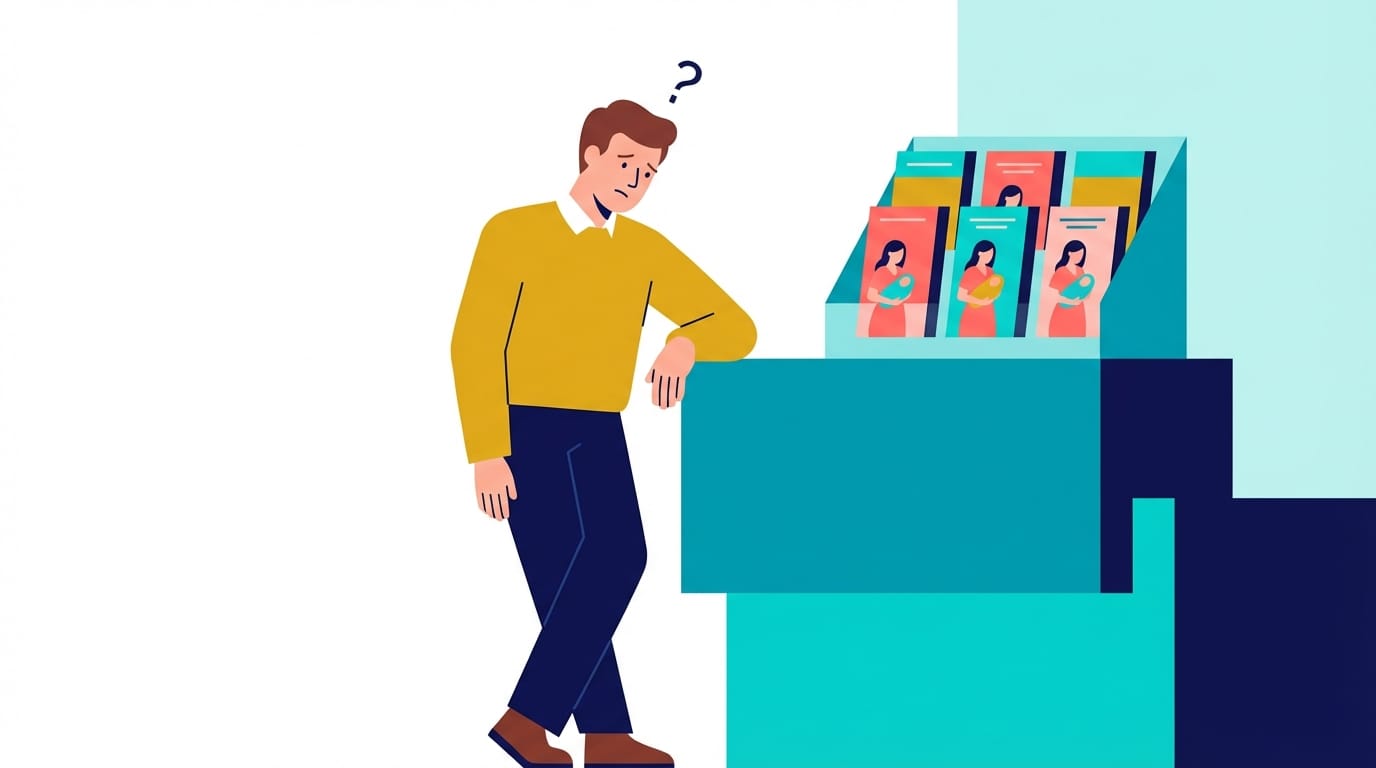
Similarly, hospitals do not offer professional-led peer groups for men. These would be structured, therapist-guided sessions where new fathers can openly discuss their anxieties about providing for their new family, bonding with their child, or failing in their new role. Without these resources, or even routine clinical check-ins regarding a new father's stress levels, men are left to navigate these psychological hurdles without professional guidance.
In newly published Australian research, released in March 2026, a consistent theme emerges from interviews with fathers. Health professionals expect them to know exactly what to do during pregnancy, labor, and infant care, but do not take the time to teach or include them. Fathers interviewed describe this as "slipping through the cracks."
Yet other research shows just how much support fathers may need. For example, a UK study published in 2025 found that half of all fathers found the birth of their child potentially traumatic, with one in ten showing clinical symptoms of Post Traumatic Stress Disorder after, and many more showing subclinical symptoms.
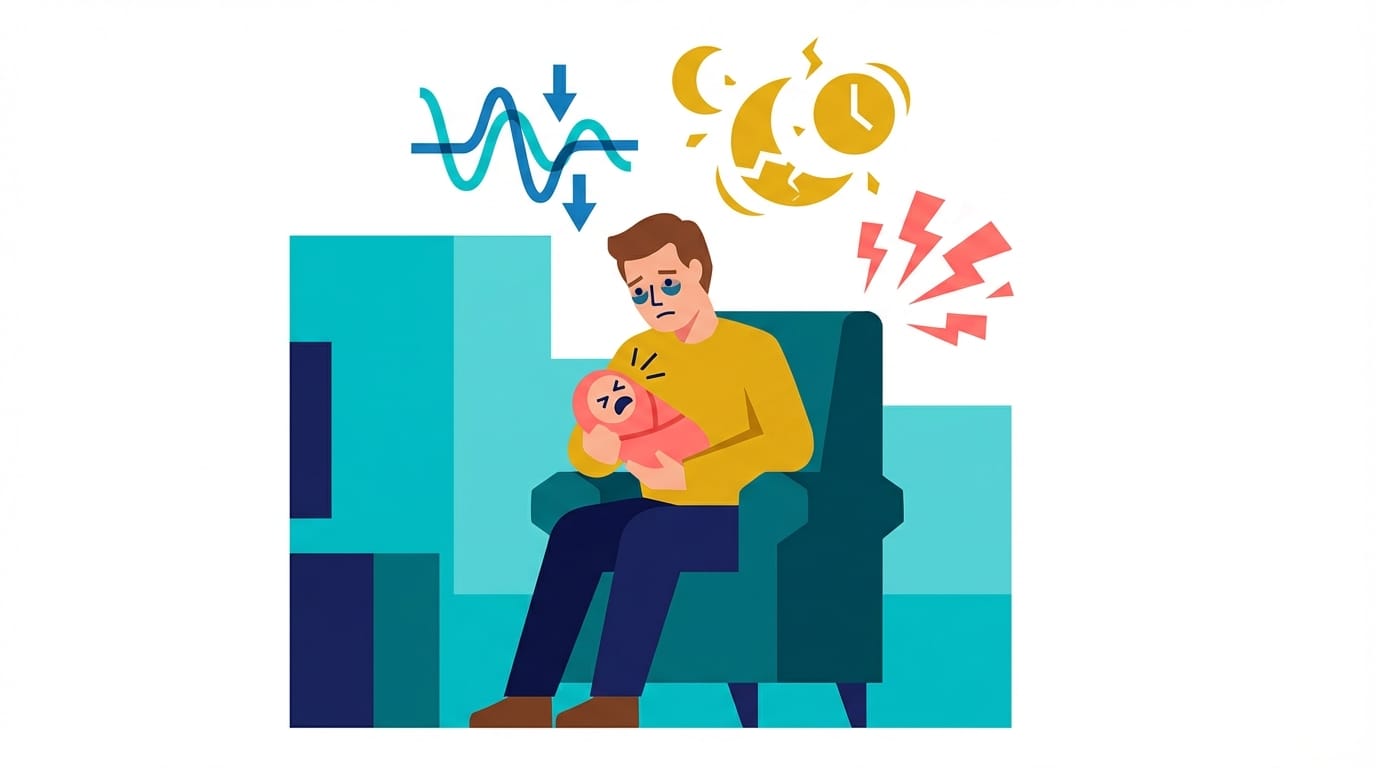
Being treated as a bystander exacerbates these acute feelings of helplessness, frequently leading to post-traumatic stress symptoms that impair a father's early ability to bond with his infant.
To understand how deeply ingrained this exclusion is, we can look back at how hospital systems reacted during the COVID-19 pandemic.
While the height of that crisis is now more than six years behind us, the emergency protocols implemented at the time highlighted just how hospitals and healthcare systems prioritise new parents.
During the pandemic, strict new safety rules designed to limit the spread of the virus meant hospitals limited visitors to protect staff, and did so by often banning partners from ultrasound scans and childbirth. Research shows many fathers felt disconnected from the pregnancy as a result, experiencing feelings of isolation and a sense of loss.
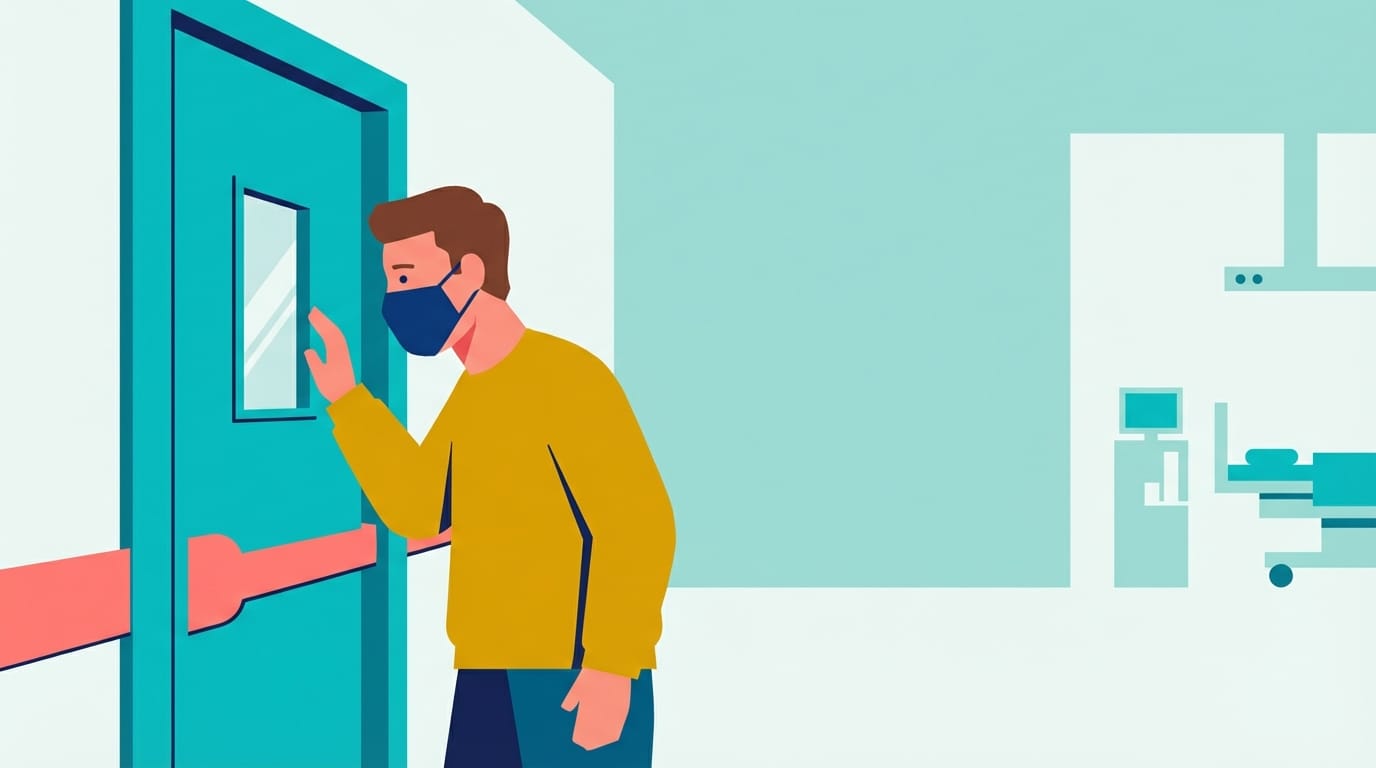
This policy shift revealed a hard truth: the medical establishment classifies fathers as non-essential visitors, rather than co-participants in the birth of their child.
When hospitals enforced these visitor bans, the psychological fallout was severe for both parents. For mothers, US data shows that the absence of a chosen support person during labor directly increased the likelihood of experiencing childbirth as a traumatic event, leading to higher rates of acute stress and post-traumatic stress symptoms.
According to research in Sweden, published in February 2026, these visitor bans also significantly impacted fathers. Being physically locked out of the maternity ward triggered profound feelings of isolation, psychological distress, and a fractured sense of involvement that hindered their early bonding with the baby.
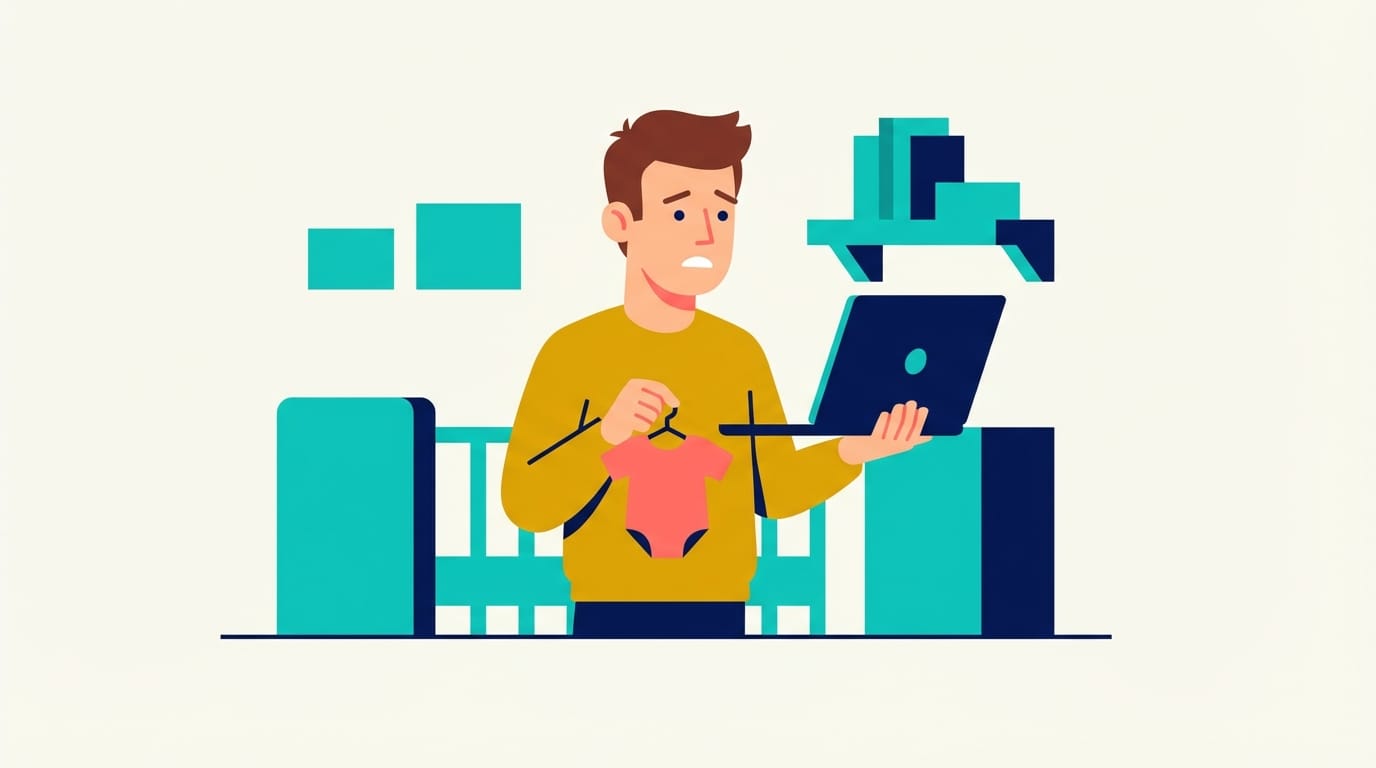
This exclusion becomes even more pronounced after the baby comes home.
The first few weeks involve a high volume of medical appointments, but this care is often divided between two specialists. Health care workers and obstetricians focus entirely on the mother’s physical recovery, while pediatricians or nursing staff track the infant's development.
Because the father is neither recovering from childbirth nor the primary subject of pediatric care, he falls entirely outside this monitoring loop. He has no scheduled appointments, no designated doctor, and no formal interactions with the healthcare system to assess how he is coping.
During infant check-ups, questions about feeding, sleep, and fatigue are directed at the mother. More critically, routine mental health screenings are administered exclusively to mothers.
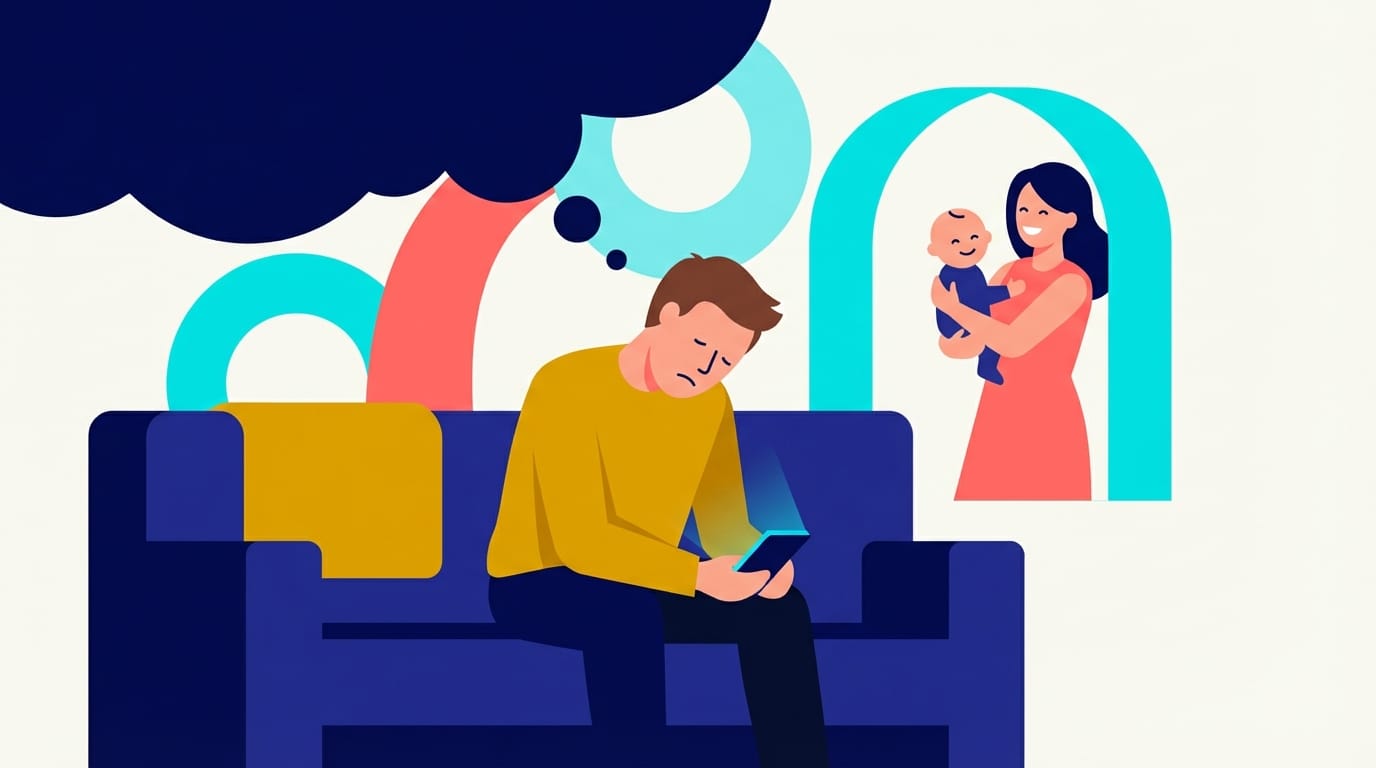
The data shows standard screening fails men because paternal symptoms diverge significantly from maternal profiles. While postpartum depression in women often presents as internalized sadness, men are more likely to exhibit irritability, social withdrawal, or increased substance use.
Because clinics lack validated, father-specific screening tools, this distress goes unrecognized. This is compounded by evidence showing men undergo significant biological changes - including drops in testosterone and increases in prolactin, a hormone that increases emotional bond with new infants.
These hormonal swings, plus the severe sleep deprivation of early parenthood, can increase men's risk of developing paternal postpartum depression.
Public health researchers are now increasingly concluding that fixing this imbalance, which benefits neither fathers, mothers or babies, requires changing the actual rules and routines of hospitals and healthcare services.

Based on the emerging data, specific health authorities - most notably NHS England and regional health boards in Australia - are running clinical pilot programs to test exactly how maternity care can be officially redesigned.
In Australia, several regional health networks are rewriting operational guidelines to categorize fathers as "co-clients" rather than "support persons." This requires practitioners to document the father’s medical history and health status during intake, formally registering him into the system.
Because data shows men rarely self-report mental health struggles, NHS England pilot programs are introducing mandatory screening tools for fathers. Questionnaires adapted from the Edinburgh Postnatal Depression Scale are now administered to men during post-partum check-ups and early pediatric visits.
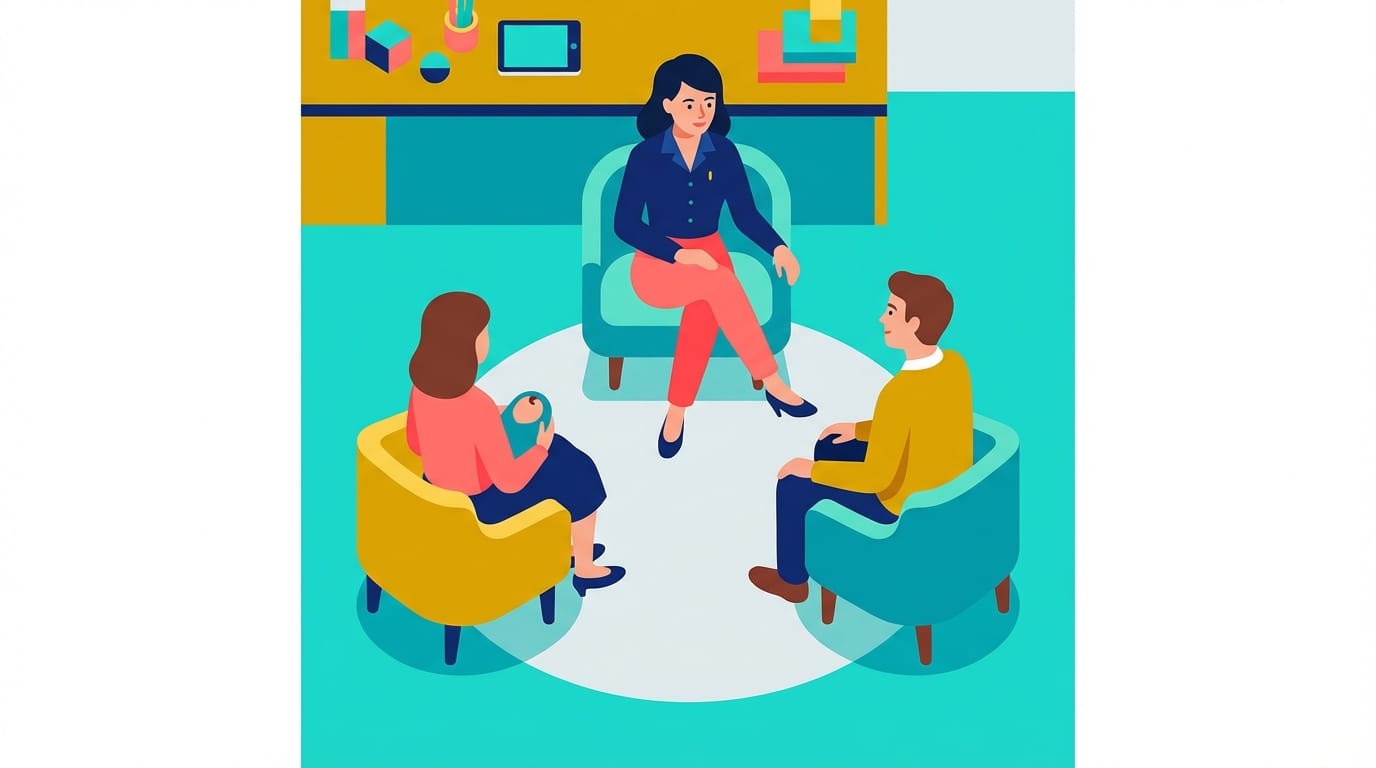
While across both UK and Australian trial sites, hospitals and health centers are testing ways to change the physical environment new parents experience, including mandated seating that positions both parents equally opposite the healthcare practitioner they are meeting.
These clinics are also now auditing educational materials to ensure information on infant care and post-partum recovery addresses both parents directly, bypassing the mother as an intermediary.
Early clinical data from these targeted interventions suggests they do have measurable benefits.
A 2024 meta-analysis of studies across the UK, Australia, Canada, and China demonstrated that structured support interventions that explicitly include fathers increased exclusive breastfeeding rates by up to 35%.
Furthermore, a 2025 study in Iran showed that including antenatal coping strategy training for fathers both helps reduce post-partum depression in mothers and fosters stronger early bonding between the father and the infant.

2024, Watkins et al., Exploration of fathers' mental health and well-being concerns during the transition to fatherhood, and paternal perinatal support: scoping review, BMJ Open.
2026, Elmir et al., Culturally and Linguistically Diverse Fathers' Experiences of Early Parenting: A Qualitative Study, Journal of Advanced Nursing.
2025, Hunter et al., Potentially traumatic childbirth experience, childbirth-related post-traumatic stress disorder symptoms, and the parent-infant relationship in non-birthing parents, BMC Pregnancy and Childbirth.
2022, Andrews et al., The experience of fathers during the covid-19 UK maternity care restrictions, Midwifery.
2021, Diamond and Colaianni et al., The impact of perinatal healthcare changes on birth trauma during COVID-19, Women Birth.
2026, Uhlander et al., Partners' childbirth experiences during the COVID-19 pandemic – findings from the Swedish COPE prospective cohort study, BMC Pregnancy and Childbirth.
2025, Andonotopo et al., Paternal mental health in the perinatal period: Uncovering the silent struggle and reframing family-centred care, Current Medicine Research and Practice.
2024, Zhou et al., The role of paternal support in breastfeeding outcomes: a meta-analytic review, International Breastfeeding Journal.
2025, Mozaffari et al., A randomized controlled trial investigating the impact of coping strategies training for fathers during pregnancy on postnatal depression among couples, Journal of Psychosomatic Obstetrics & Gynecology.

Most parents think lifting weights is dangerous for children. Twenty years of paediatric consensus disagree, and the reason has more to do with the nervous system than with muscle.

Parents are told that writing by hand is vital for their child's growing brain, and that screens are eroding it. We sort the viral headlines from the solid evidence, and find the real benefit belongs to one group above all: children still learning their letters.

Your child's fussiness for food is mostly inherited, and most of the things parents try in order to fix it make it worse. Find out why young children refuse food, why it is rarely a parent's fault, and the unglamorous method that genuinely changes how they eat.

Most of what shapes a young life turns out to be joyful and ordinary. A major new study shows what teenagers themselves treasure, and why the way they answer can tell you how they are really doing.