When should a child begin to train, and why the old fear was wrong
Most parents think lifting weights is dangerous for children. Twenty years of paediatric consensus disagree, and the reason has more to do with the nervous system than with muscle.
Most parents think lifting weights is dangerous for children. Twenty years of paediatric consensus disagree, and the reason has more to do with the nervous system than with muscle.

Parents are told that writing by hand is vital for their child's growing brain, and that screens are eroding it. We sort the viral headlines from the solid evidence, and find the real benefit belongs to one group above all: children still learning their letters.
Your child's fussiness for food is mostly inherited, and most of the things parents try in order to fix it make it worse. Find out why young children refuse food, why it is rarely a parent's fault, and the unglamorous method that genuinely changes how they eat.
New research reveals that bullying can actually cause post-traumatic stress in children. If your child can’t 'bounce back' from being bullied, they aren't weak. We explain the biology of the hurt, and how to help them heal.

When we discover our child is being bullied, our initial reaction is usually a mix of heartbreak and urgent practicality. We want to know the facts. We ask who said what, where the teachers were, and how we can stop it from happening again. We tend to treat bullying as an external problem - a conflict that needs to be resolved so that life can return to normal.
But for many families, "normal" does not return. Even after the bullying has stopped, the child remains different. They might be quicker to anger, unable to sleep without a light on, or seemingly unable to concentrate on schoolwork that used to be easy. Parents in this situation often feel a deep sense of confusion; they worry their child is being dramatic or perhaps lacks the resilience to "bounce back" from a difficult experience.
A significant new piece of research published this year suggests that these lingering changes are not a flaw in your child’s character. They are the symptoms of a physiological injury.
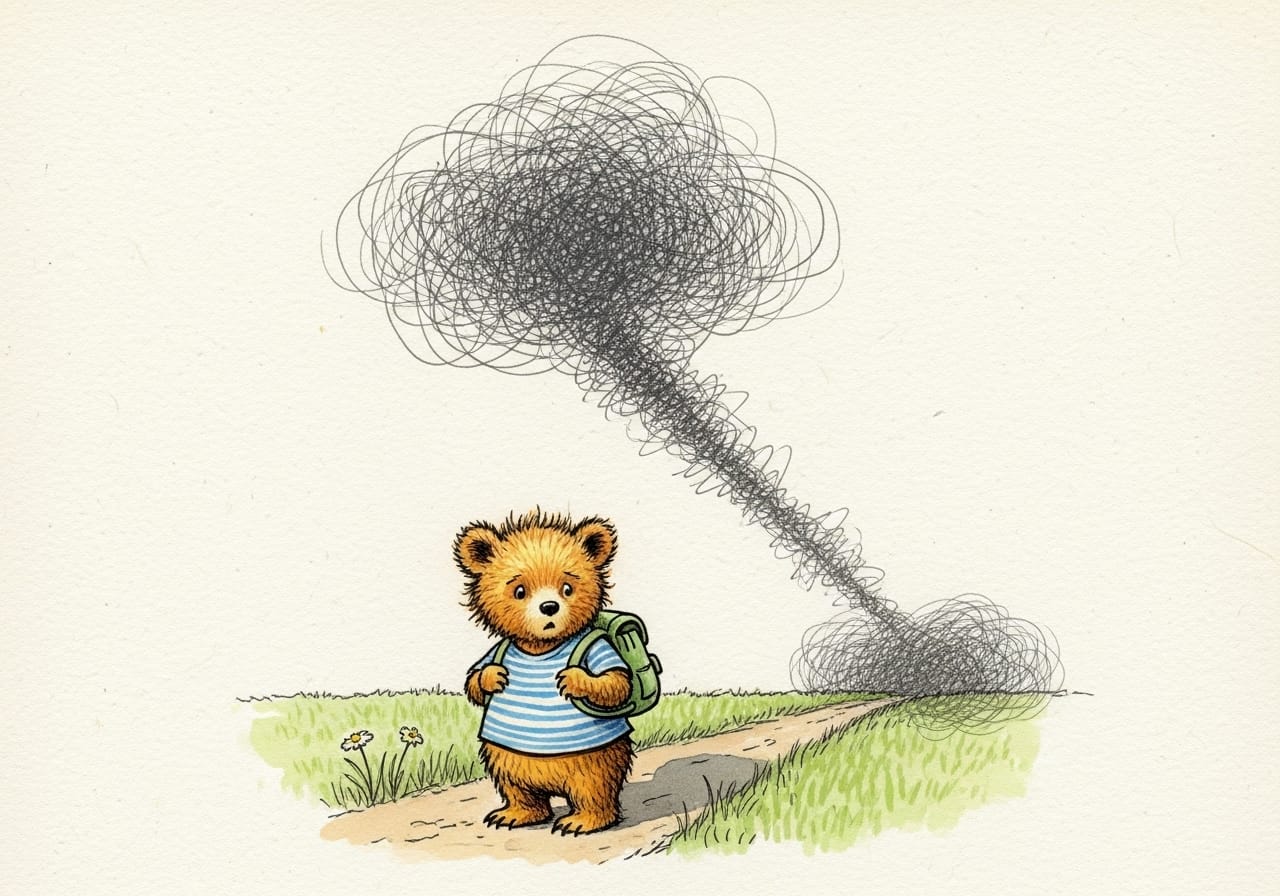
Published in the Educational Research Review, this systematic analysis aggregated data from thousands of children to determine if the damage of bullying goes beyond the immediate emotional sting.
The researchers found that for a significant number of children, bullying acts as a traumatic event that fundamentally alters how their nervous system functions.
This research confirms that the symptoms you are seeing - the sleeplessness, the volatility, the withdrawal - are identical to the symptoms of Post-Traumatic Stress Disorder (PTSD). This is a vital reframing for any parent. It means we must stop asking our children to simply "move on" from a bully situation, because their body is still processing it, considering it as an active threat to their well-being.
Why They Can't Just "Get Over It"
To help a child recover, we first need to understand the biological reality of their experience. The researchers found a robust statistical link between exposure to bullying and the development of trauma symptoms.
If your child experiences bullying, this does not mean your child will develop a clinical disorder that will last a lifetime, but it does mean that, after the event, their body may get stuck in a survival loop. When a human being feels threatened, the brain prioritizes safety above all else, shutting down the neural pathways responsible for learning and relaxation while ramping up the systems responsible for fight or flight.
If your child seems fine one moment and falls apart the next, it is likely because this survival system is misfiring. They are not choosing to be difficult; their biology is reacting to a threat that still perceive, but you cannot see. The study identifies three specific ways this trauma manifests in daily life.
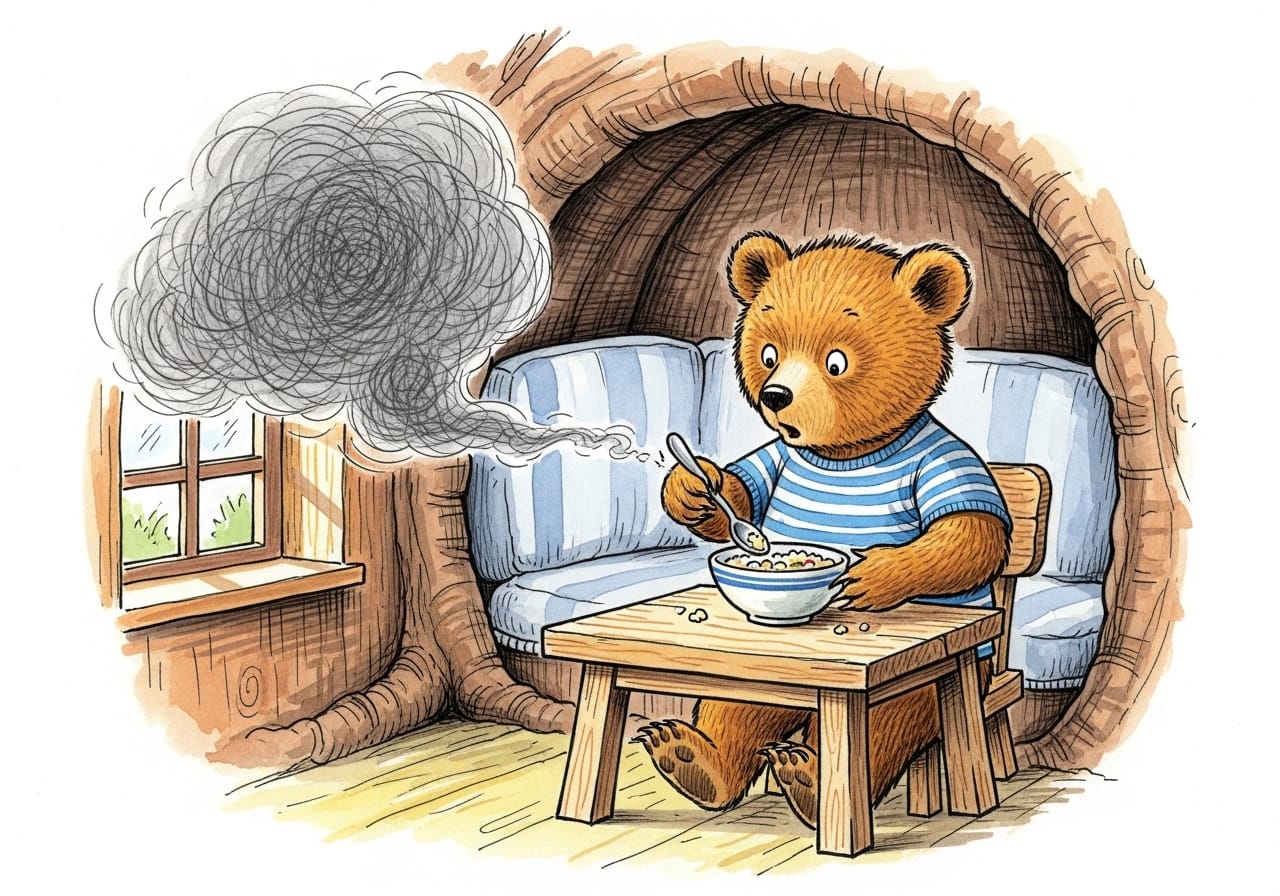
1. The Memory Won't Stay Quiet
The first sign is a phenomenon researchers call "intrusion."
In ordinary life, memory is voluntary; we choose to recall a holiday or a lesson, and we choose when to stop. Traumatic memories, however, do not respect these boundaries. They break in uninvited.
For your child, this might look like a sudden panic attack at the breakfast table or a nightmare that wakes the entire house. The research explains that their brain has likely linked ordinary sights, sounds, or smells to the danger of the bullying.
Imagine your child was bullied by a peer who always wore a specific bright yellow hoodie. If they walk past a stranger in a shop wearing that same colour, their brain immediately sounds the alarm. They might not even realize why they are suddenly terrified or angry; they just feel unsafe.
This is often the hardest symptom for parents to manage because it appears irrational.
It is easy to feel frustrated that a small, seemingly unrelated thing has ruined a family afternoon. However, looking at this through the lens of the research reveals that the child is not trying to be difficult. Their brain is simply trying to keep them safe from a predator it believes is present right now.
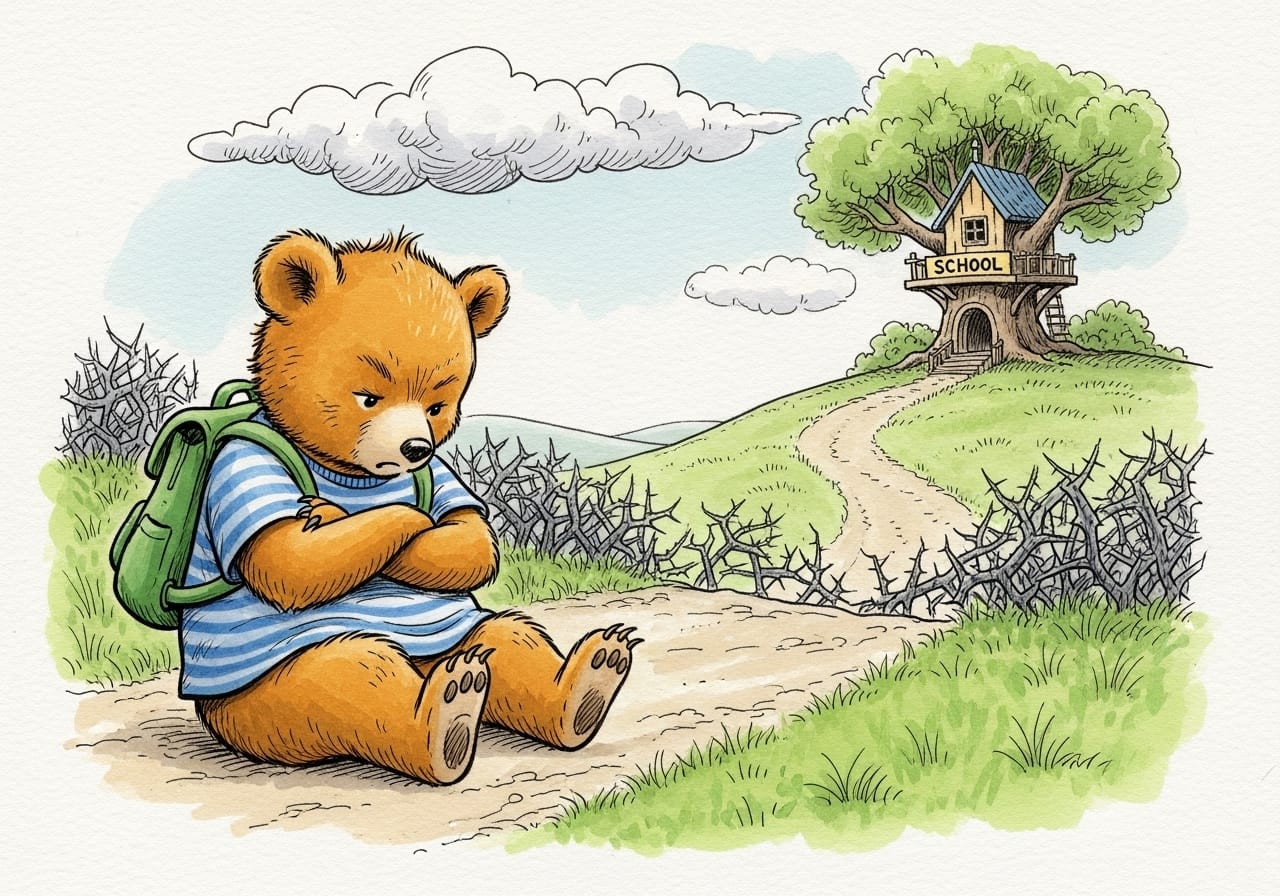
2. The Biological Need to Escape
The second sign is avoidance, which is frequently the cause of morning battles and truancy.
When a child drags their feet, complains of a stomach ache or refuses to get in the car, it feels like defiance. It feels like they are being stubborn or manipulative. The research, however, suggests you should trust that stomach ache.
When the brain identifies school as a dangerous place, it sends a powerful physical signal to the body to stay away. Researchers call this “somatization", the medical term for psychological distress manifesting as physical symptoms (like stomach aches or headaches).
Digestion slows down and muscles tense up as the body physically prepares to run. Your child is not trying to trick you; they are obeying a biological instruction to survive. The study found that this drive to avoid the location of the bullying is one of the most consistent and powerful symptoms of trauma.
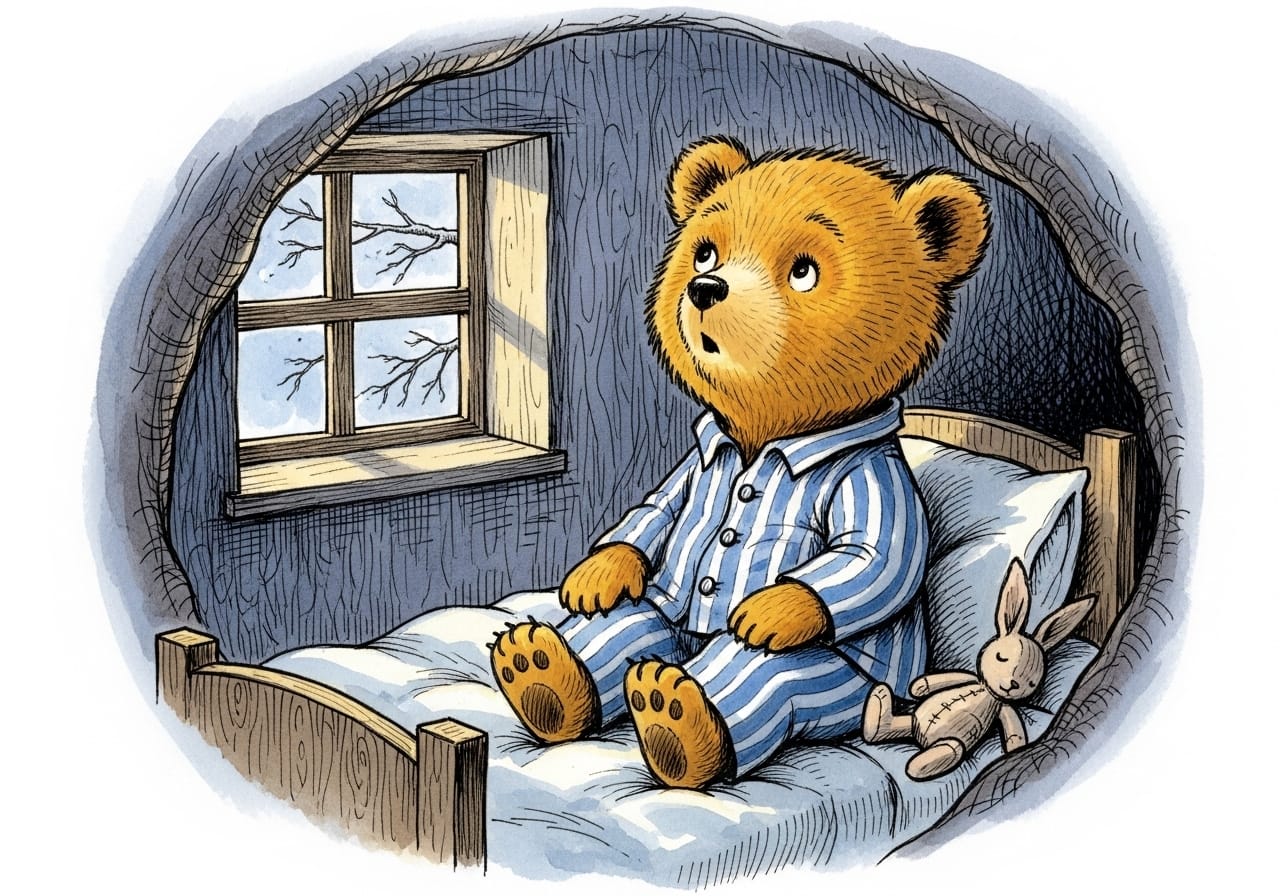
3. Living on the Edge
The third sign is exhaustion masquerading as irritability, known clinically as "hyperarousal."
If your child is being bullied, their nervous system may be stuck in the "on" position, constantly scanning the room for danger, listening to every footstep, and watching every door. In your living room, this looks like a child who snaps at you for asking a simple question, jumps when a phone rings, or cannot fall asleep because they cannot let their guard down.
We often tell these children to "calm down" or "focus," but the science implies they physically cannot. They are running on adrenaline and are exhausted not because they have been active, but because they have been vigilant. They are not acting out; they are surviving.
The Myth of Resilience
There is a particularly important finding in this 2026 review that challenges our assumptions about age.
We often assume that younger children are naturally "bouncy," believing they will forget the teasing and move on while we worry more about teenagers. The data, however, shows the opposite.
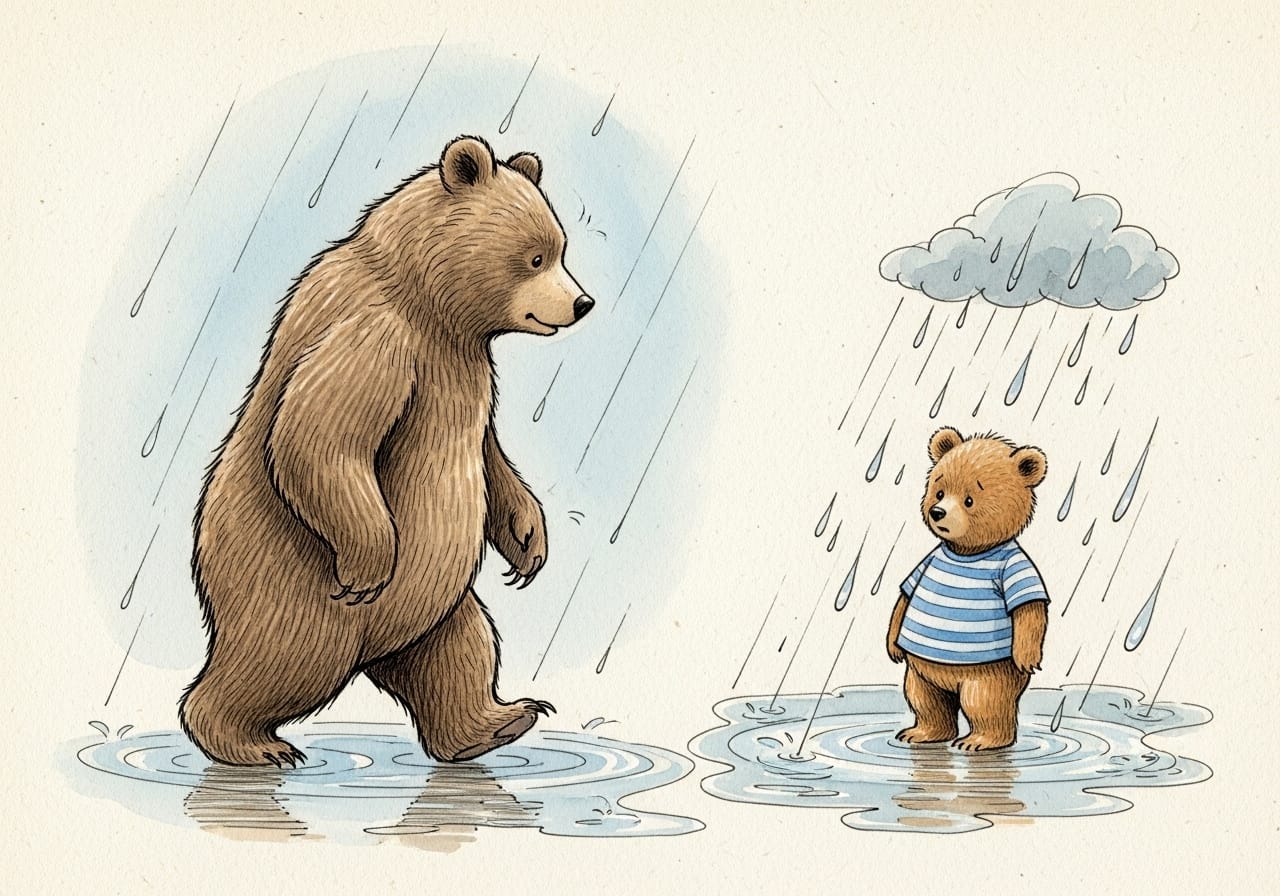
The researchers found that the link between bullying and trauma symptoms was actually stronger in younger children.
This makes sense when we consider the context. A teenager has a life outside of school; they have a developed identity and can rationalize that a bully is simply "mean" or "wrong." A seven-year-old lacks these defenses. School is their entire professional world, and if that world becomes hostile, they have no cognitive tools to process it. They cannot rationalize the cruelty, so they internalize the fear.
This means we must take "minor" incidents in primary school incredibly seriously. Your young child is currently building their fundamental understanding of the world, and bullying teaches them that the world is unsafe - a lesson that can stick for a long time.
The Angry Victim
The study also provides a compassionate lens for understanding the child who lashes out.
The researchers found that some of the most traumatized children were the "bully-victims" - those who are bullied but also bully others. It is easy to label these children as troublemakers, but viewed as trauma victims, their behavior becomes understandable. They are terrified and their nervous system is on high alert, so they strike first because they feel they are fighting for their safety. They are not simply "bad" kids; they are frightened children trying to regain control in a dangerous world.
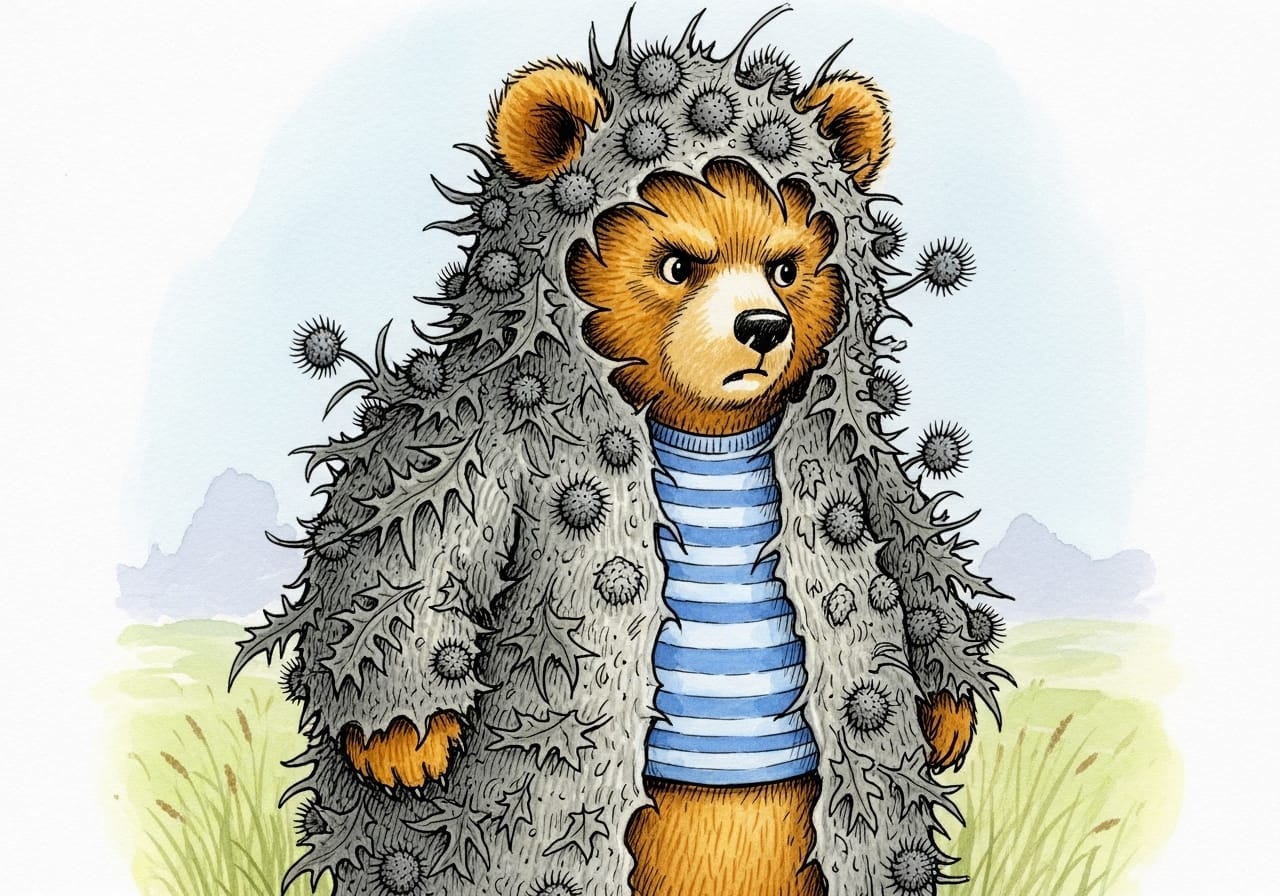
Why Grades Drop
You might have noticed that as the bullying escalated, your child's grades plummeted. Parents often respond by hiring tutors or removing privileges until marks improve, but this research highlights why pressure is often ineffective.
Learning requires safety. To absorb new information, a brain needs to be open and curious, but a brain under attack is neither. If your child is sitting in class worrying about who is looking at them or trying to suppress a bad memory, they have no cognitive capacity left for long division. They are not distracted; they are busy staying safe. You cannot fix the grades until you fix the fear.

This information is heavy, but it is also deeply validating. It confirms that what you have felt in your gut is true: your child is not making this up, and the trauma is real. Once you accept that reality, you can change how you handle it.
Validate Their Experience
The most important step is to stop fighting the symptoms. If they have a nightmare or get angry over nothing, remind yourself that this is a normal reaction to an abnormal situation. Tell them you understand, and that it makes sense they are feeling this way.
Change the Conversation with School
Use this research when you speak to teachers. Schools are equipped to manage arguments, but they are often less skilled at managing trauma. If you explain that your child is showing signs of "hyperarousal" or "avoidance," it shifts the conversation from a behavioral issue to a health issue, helping teachers understand that your child needs safety, not just discipline.
Make Home Predictable
If school feels chaotic and dangerous, home needs to feel boring and predictable. You can use routine as a tool to heal. Ensure dinner happens at the same time and the evening follows the same pattern. You are trying to teach their nervous system that the threat is gone, creating a sanctuary where they can finally switch off the alarm.
Get Help Early
Finally, because we know that younger children are so vulnerable, do not wait to seek support. If these symptoms persist, reach out to a professional. Therapies for trauma are very effective and can help your child process those memories so they stop intruding on their life.
Bullying is unfair and painful, but it does not have to be permanent. By seeing these symptoms for what they are, you can stop asking your child to be tough, and start helping them be safe.
2026, Keles, S., et al, The Association of School Bullying with Symptoms and Diagnosis of PTSD: An Updated Systematic Review and Meta-Analysis, Educational Research Review

Most parents think lifting weights is dangerous for children. Twenty years of paediatric consensus disagree, and the reason has more to do with the nervous system than with muscle.

Parents are told that writing by hand is vital for their child's growing brain, and that screens are eroding it. We sort the viral headlines from the solid evidence, and find the real benefit belongs to one group above all: children still learning their letters.

Your child's fussiness for food is mostly inherited, and most of the things parents try in order to fix it make it worse. Find out why young children refuse food, why it is rarely a parent's fault, and the unglamorous method that genuinely changes how they eat.

Most of what shapes a young life turns out to be joyful and ordinary. A major new study shows what teenagers themselves treasure, and why the way they answer can tell you how they are really doing.