New research reveals that bullying can actually cause post-traumatic stress in children. If your child can’t 'bounce back' from being bullied, they aren't weak. We explain the biology of the hurt, and how to help them heal.
Why is your daughter so stressed? New research shows high-achieving girls often link their self-worth to their grades. Constant notifications from school apps mean they can never truly switch off. Learn how to help her value herself beyond the screen and give her permission to be human.
It can feel like wasting money on 'fake' items. But for your child, digital assets and skins are a ticket to social belonging. We explain the science behind the screen and how to handle the requests.
Navigating Your Child's Requests To Buy Digital Items: A Guide for Parents
It can feel like wasting money on 'fake' items. But for your child, digital assets and skins are a ticket to social belonging. We explain the science behind the screen and how to handle the requests.
If you have ever felt a flash of irritation, bemusement, or genuine concern when your child asks for "V-Bucks," "Robux," or "Minecoins," you are not alone. For many parents, these requests to buy obscure digital assets within online games are a source of constant friction. You are being asked to hand over real, hard-earned money for what looks like a collection of colorful pixels on a screen.
It is completely normal to feel out of your depth here. If you didn’t grow up with the modern iteration of the internet, the digital world can feel invisible and abstract. You might see your child sitting on the sofa, staring at a tablet or a TV, and it looks like a solitary, passive activity. When they ask for money to buy a digital costume for a game, it is easy to see it as frivolous - a waste of money on something that "isn't real."
But to understand why these requests are so persistent, we first need to understand what is actually happening on that screen.
This is one of this month's free articles. Unlock our full library of parenting features by becoming a member today.
Sign up for The Inquisitive Parent
For parents seeking reliable, objective evidence to navigate the modern world with confidence.
No spam. Unsubscribe anytime.
Setting the Scene: The New Playground
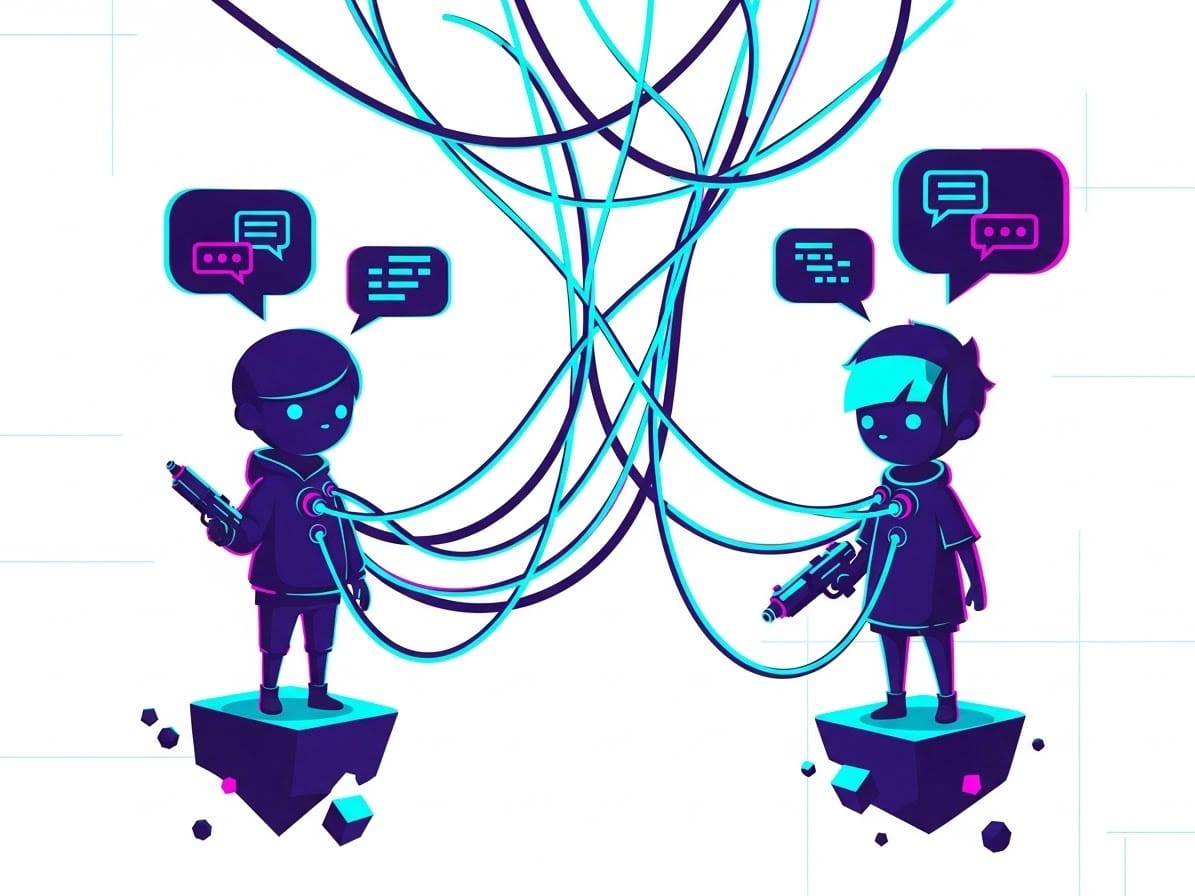
For a long time, video games were about completing a challenge - jumping over obstacles or beating a high score. Today, the most popular games (like Fortnite, Roblox, and Minecraft) are different. They function less like games and more like parks or shopping malls. They are places where children go to meet.
When your child puts on a headset, they are entering a live, continuous voice call with their friends. They might be "playing" the game, but mostly they are hanging out, chatting, and laughing, just as we might have done on a street corner or a bike ride.
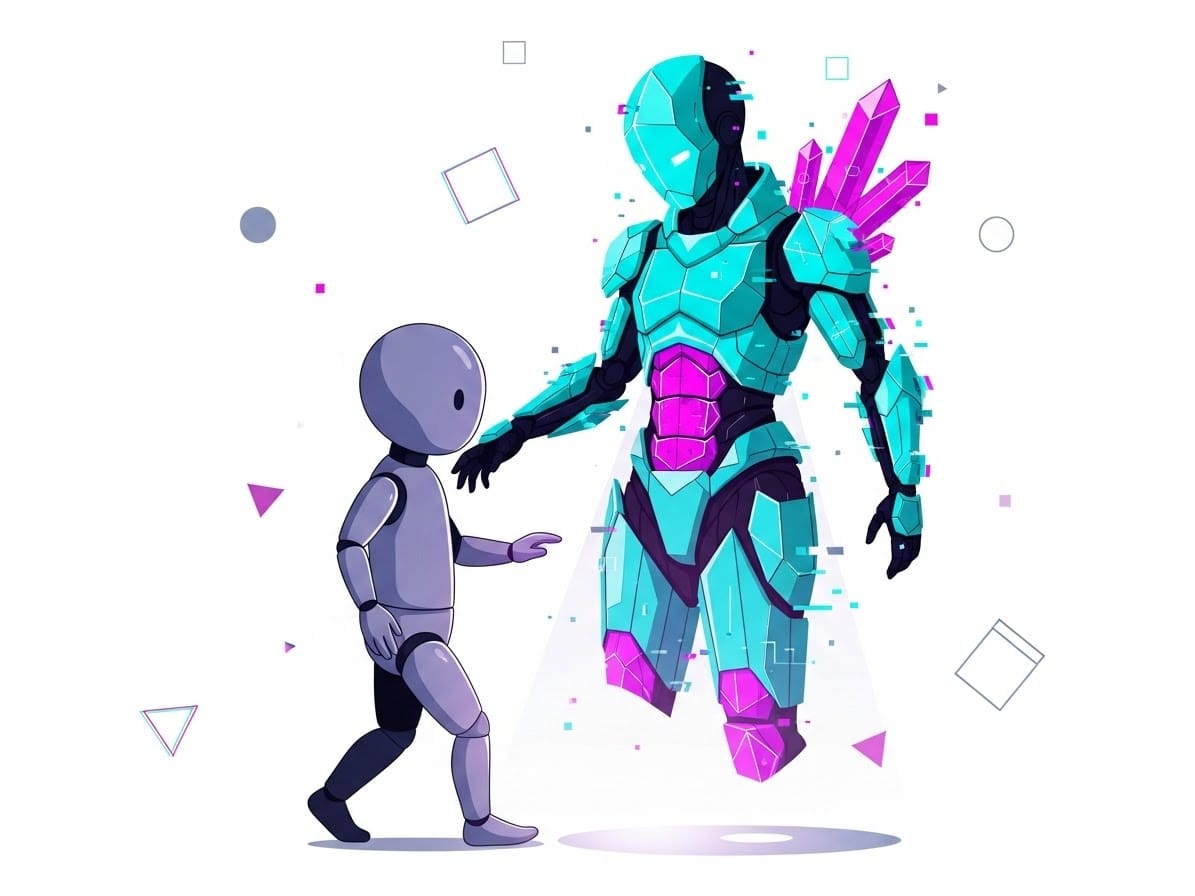
In this environment, they have a digital body, known as an avatar. And just like in the real world, they can choose how that body looks. This is where the confusion often starts for parents, so let’s define the three main terms you will hear:
The Currency (V-Bucks, Robux): These games are often free to play, but they have their own money systems. You exchange real pounds or dollars for digital coins (like V-Bucks in Fortnite). Once the money is converted, it can only be spent inside that specific game.
The "Skins": This is the term for the digital clothes or costumes a character wears. A "skin" serves no practical purpose - it doesn't make the character run faster or stronger. It is purely aesthetic. It is a fashion choice.
Emotes: These are short animations your character can perform, like a popular dance move or a wave.
To an adult, buying a "skin" seems pointless because it doesn't help you win. But because these games are social spaces, the skin isn't about winning. It is about fitting in.
Looking Back to Understand Today
To really grasp this, it helps to look back at our own childhoods. Every generation has had a system where objects determine your social standing.
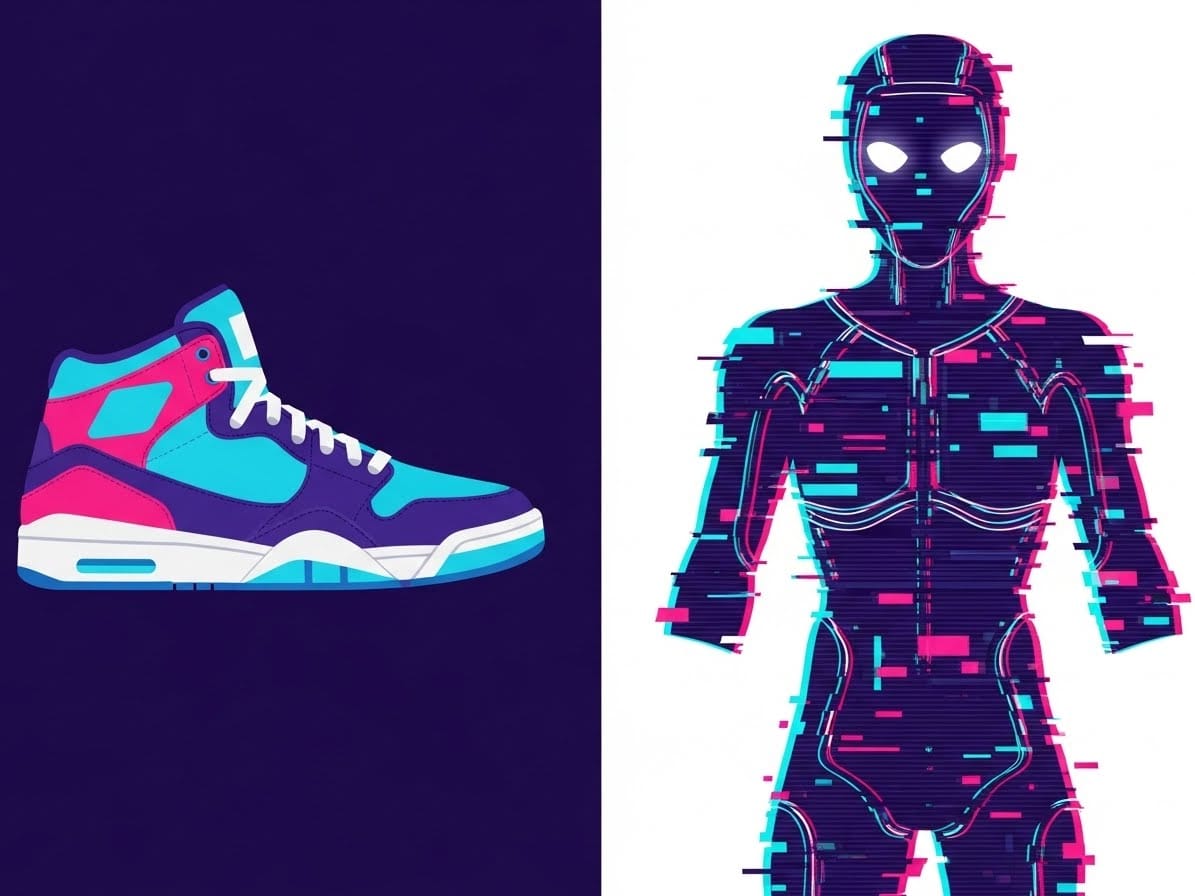
In the 1980s or 90s, this might have been a specific brand of sneakers, a type of denim jacket, or a collection of physical trading cards. If you walked into school wearing the "wrong" shoes, or if you didn't have the cards everyone else was trading at lunch, you felt a very specific social sting. You felt invisible, or worse, excluded.
We understood that system because the objects were physical. If a parent bought you those sneakers, they could hold them. They understood that the cost was for the leather and the brand name.
Today, that same social pressure has moved onto the screen. For a child who spends ten hours a week in Roblox, that space is their reality. The objects are digital, but the feelings they trigger - the pride of ownership, or the shame of being left out - are identical to what we felt on the playground.
The Science: The "Economy of Dignity"
This isn't just a theory. A recent sociological study published in the journal Information, Communication & Society has given this phenomenon a name. Researchers Clara Julia Reich, Kamilla Knutsen Steinnes and Helene Fiane Teigen call it the "Economy of Dignity."
They interviewed children aged 10 to 13 to understand why they spent money on digital items. They found that children use these items to perform "facework." Facework is a simple concept: it is the effort we all put into presenting a "face" to the world that earns us respect.
When you dress up for a job interview, you are doing facework. You are signaling that you belong. The researchers found that children use skins and emotes to do the exact same thing.
They are managing their social reputation.
The Fear of Being a "Default"
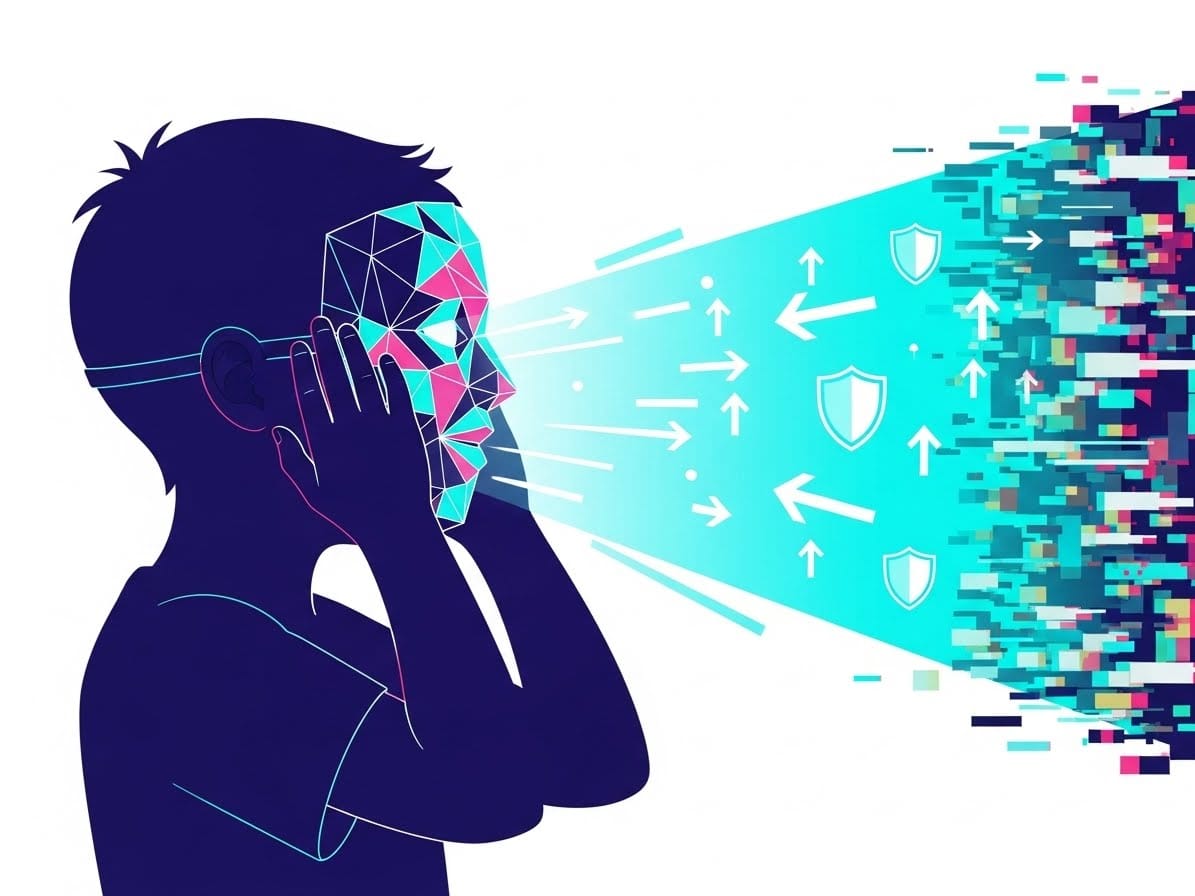
The study highlights a crucial concept called "Relational Visibility." In any group of friends, you want to be visible - you want to be seen as a core member of the group. In these games, if a player does not spend any money, they are forced to wear the default outfit - the basic, free clothing that the game provides.
In the brutal hierarchy of childhood, being a default can be a signal that you are an outsider. It might suggest you are a beginner, or that you don't understand the culture of the group. Players who stick to the default skins are sometimes teased or ignored.
So, when your child begs for a new skin, they are rarely being manipulated by an advertisement. They are trying to solve a social problem. They are trying to buy a ticket to participate in their friend group without being teased. They are paying for visibility.
How to Handle the Request
Understanding this doesn't mean you have to say yes to every purchase. It just changes how you say no.
If we dismiss these requests as fake or silly, we risk making our children feel like we don't understand their world. It creates a distance between us. But if we acknowledge the social reality, we can have a much more constructive conversation.
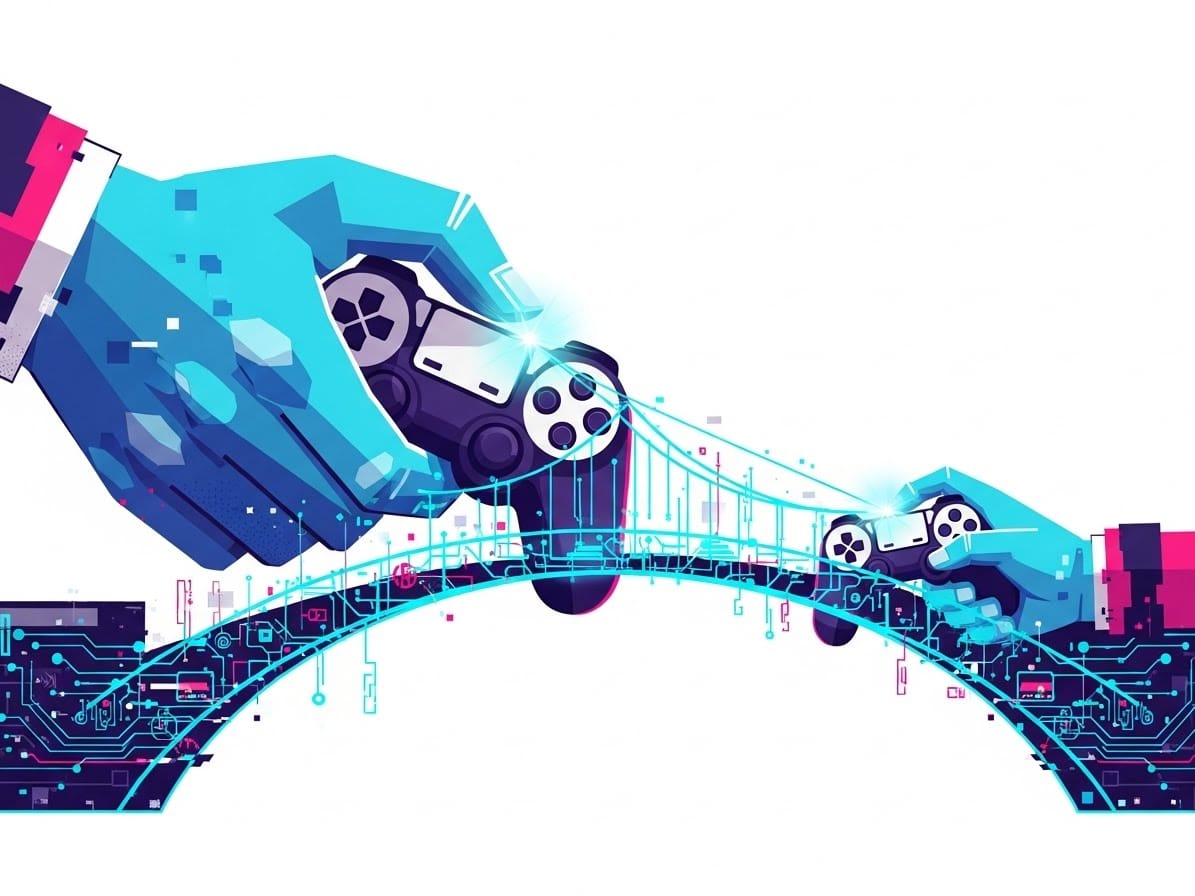
Here are three ways to bridge that gap the next time they ask for currency:
Validate the social need: Instead of asking "Why do you want that?", try asking, "Is this the skin all your friends are using right now?" This shows you understand it's about the group, not just the item.
Ask about the 'Status': "If you have this skin, what does it tell your friends about you?" This helps them articulate the pressure they are feeling.
Set boundaries with empathy: If you need to refuse, you can say, "I know having that skin makes you feel like part of the team, and I’m sorry we can’t buy it this week." This is far more powerful than saying, "We aren't wasting money on a video game."
The digital world is vast and often confusing for us as parents. But the human needs inside it - the need to belong, to be respected, and to be seen - haven't changed at all. When we realize that a "skin" is really just modern dignity, it becomes much easier to navigate these moments with patience.
Editor of The Inquisitive Parent and multi-award winning former New Scientist and BBC editor with 20 years' experience, I provide evidence-based reassurance and discover findings to support how your children grow.
New research reveals that bullying can actually cause post-traumatic stress in children. If your child can’t 'bounce back' from being bullied, they aren't weak. We explain the biology of the hurt, and how to help them heal.
Why is your daughter so stressed? New research shows high-achieving girls often link their self-worth to their grades. Constant notifications from school apps mean they can never truly switch off. Learn how to help her value herself beyond the screen and give her permission to be human.
Modern parenting pressure to stay 'perfectly calm' can lead to a measurable state of burnout. We examine the latest research explaining why hiding your feelings backfires, and how 'sturdy leadership' offers a clearer path to well-being.
75% of parents want school phone bans, yet teens still scroll for over an hour during class. Why? The answer is uncomfortable: they are mirroring us. We explore the new data on why reclaiming their focus starts with us putting our own phones down.